


Spotting tiny bugs around your wooden furniture, flooring, or firewood can be unsettling. Many homeowners assume the worst—that termites or other wood-damaging pests are present. In most cases, however, these are wood mites, harmless little creatures that thrive in damp environments. Understanding what they are, why they appear, and how to manage them can save you unnecessary stress and protect your home effectively.
What Are Wood Mites?
Wood mites are microscopic or nearly invisible insects often found in damp wood, old furniture, or areas with mold growth. They feed on moisture and fungi, not wood itself, which means they don’t eat or damage your structural wood.
Because of their small size, they can go unnoticed until they cluster in areas like cracks, corners, or under furniture. The term “wood mites” is more a common name than a scientific classification, referring to various mite types that inhabit wood-rich environments. If you’re unsure whether the tiny bugs in your home are wood mites, this guide on how to identify wood mites can help you spot them correctly and distinguish them from other pests.
Why Do Wood Mites Appear in Homes?
Wood mites appear mainly in areas where moisture and mold are present. Common causes include:
-
Damp basements and crawl spaces: Poor ventilation and leaks create ideal conditions for mites.
-
Firewood stored indoors or near walls: Wood stored in humid conditions can attract mites.
-
Old furniture: Vintage or antique wood with small cracks can harbor mites.
-
Bathrooms or kitchens with high humidity: Wood surfaces exposed to moisture are inviting to these tiny creatures.
Essentially, any place where wood is damp or mold-prone can attract wood mites.
Signs of a Wood Mite Infestation
Early detection makes managing wood mites much easier. Look for these signs:
-
Tiny moving specks: Often mistaken for dust, these tiny creatures move slowly across wood surfaces.
-
Clusters near damp areas: They may gather in corners, under furniture, or near leaking pipes.
-
Dust-like or fuzzy deposits: These are often waste materials or mold spores that mites feed on.
-
Musty smell: Infested areas may have a subtle earthy odor due to mold or dampness.
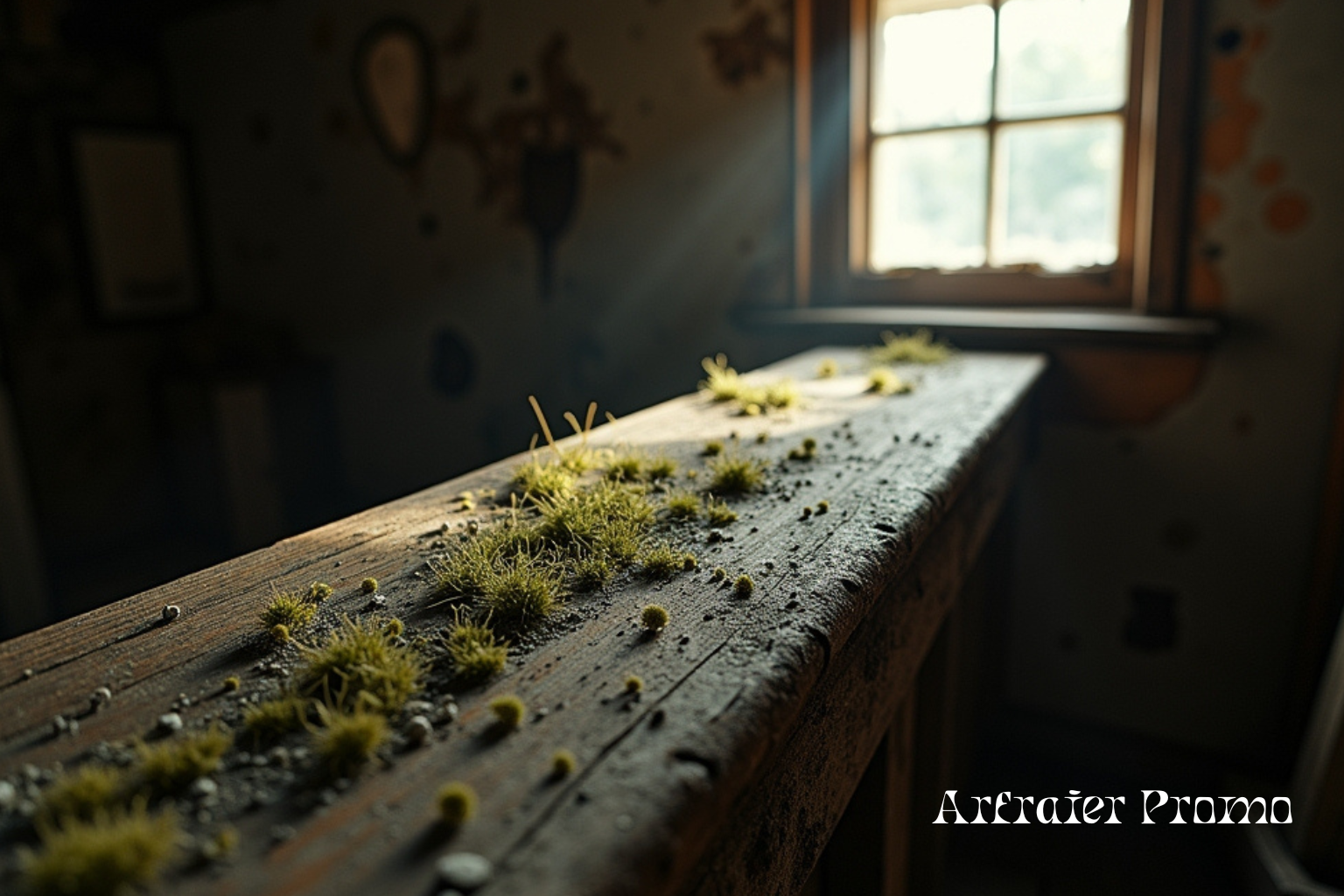
Recognizing these early signs allows you to tackle the issue before it spreads.
Are Wood Mites Harmful to People or Pets?
For the most part, wood mites are not dangerous:
-
They do not bite or sting.
-
They do not feed on humans or pets.
-
People with allergies or asthma may notice mild irritation if exposed to mold in mite habitats.
In short, while they may be annoying to see, wood mites are largely harmless.
Wood Mites vs Termites
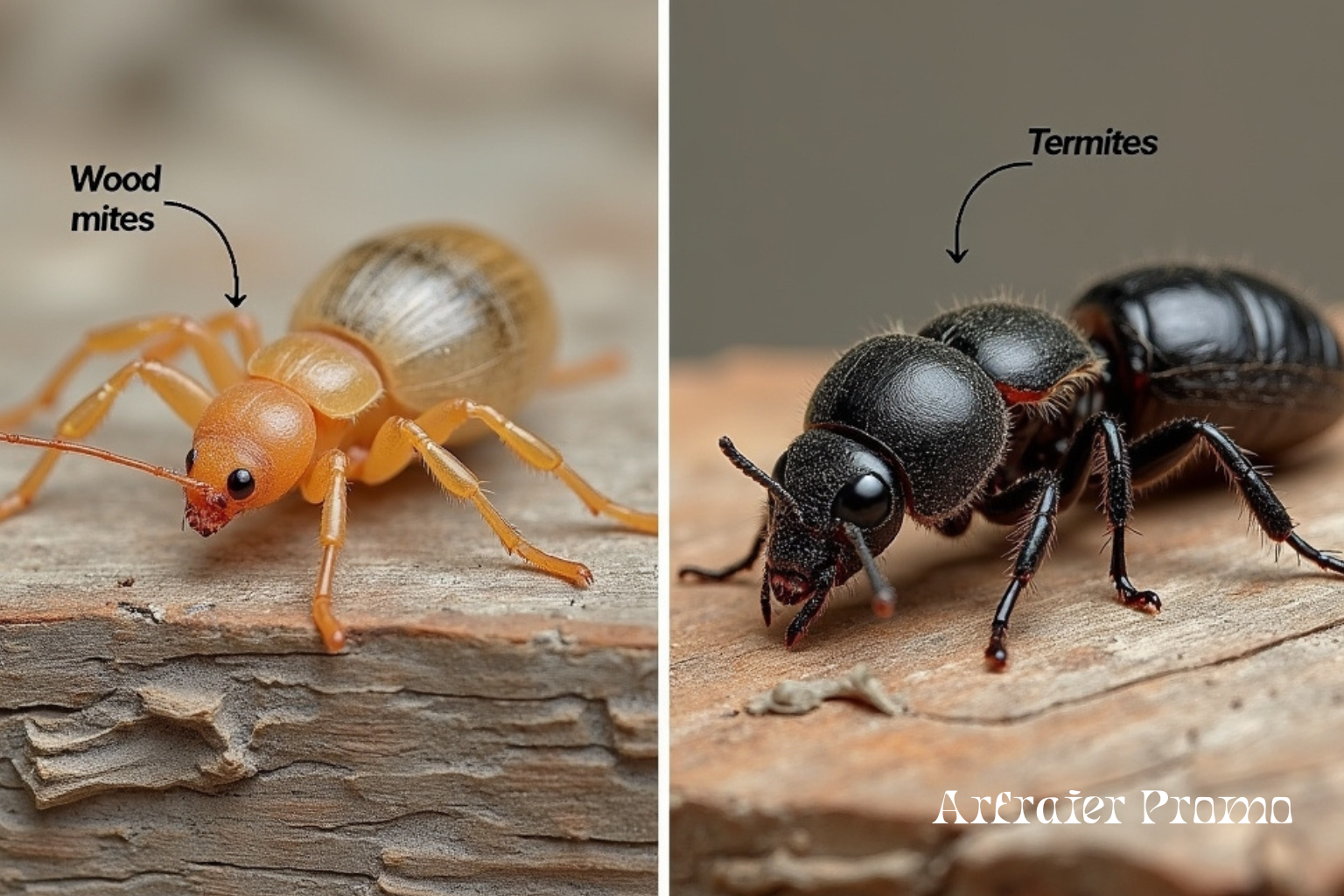
Confusing wood mites with termites is common. Here’s how to tell the difference:
Feature |
Wood Mites |
Termites |
|---|---|---|
| Size | Very tiny, almost invisible to the naked eye | Larger, easily visible to the naked eye |
| Appearance | Tiny, soft-bodied, often light-colored | Creamy white to brown, segmented body, with antennae and wings (in some stages) |
| Diet | Feed on mold, fungi, and decaying matter | Eat and digest wood and cellulose-containing materials |
| Damage to Wood | Do not damage wood directly | Can cause serious structural damage, hollowing wood over time |
| Behavior | Found in damp or moldy areas; slow-moving | Form colonies, build tunnels, and actively consume wood |
| Health Risk | Mostly harmless; may trigger mild allergies if exposed to mold | Do not bite humans, but structural damage can cause safety concerns |
| Signs of Infestation | Tiny moving specks, dust-like clusters, visible mostly in humid areas | Hollow-sounding wood, mud tubes, visible swarming termites in spring |
Do Wood Mites Damage Wood?
Wood mites themselves do not harm wood. They feed on mold, fungi, and moisture, which can indirectly indicate underlying problems. For example, a wooden beam infested with mites might be damp or moldy, and addressing the moisture problem is essential to prevent actual damage.
Wood Mites Treatment: How to Get Rid of Them
Managing wood mites involves reducing moisture and cleaning affected areas:
-
Control Humidity: Use fans, open windows, or a dehumidifier to reduce dampness in basements, bathrooms, or kitchens.
-
Fix Leaks: Repair any water leaks around plumbing, roofs, or windows.
-
Clean Affected Wood: Wipe down surfaces with a damp cloth and mild soap. For moldy areas, a vinegar-water solution can be effective.
-
Remove Moldy or Damaged Wood: In severe cases, removing infested wood prevents re-infestation.
-
Regular Vacuuming: Vacuum cracks and corners where mites may gather.

Consistency is key—addressing moisture and cleaning regularly prevents future infestations.
Wood Mites Spray: Are They Necessary?
Sprays can help, but they are not always required. Options include:
-
DIY sprays: A mixture of water with vinegar or a few drops of essential oils (tea tree, peppermint) can repel mites.
-
Store-bought mite sprays: Use only those labeled for indoor use and safe around pets.
Sprays are most effective when combined with moisture control and cleaning, rather than as a standalone solution.
When to Call a Professional
Most wood mite problems can be handled at home, but professionals may be needed if:
-
Infestations persist despite cleaning and moisture control.
-
There is uncertainty whether the pests are mites or termites.
-
Infested areas are extensive or difficult to access.
Professional pest control ensures proper identification and safe, long-lasting treatment.
How to Prevent Wood Mites From Returning
Prevention is the best strategy:
-
Maintain low humidity: Keep indoor humidity below 50% using dehumidifiers.
-
Store wood properly: Keep firewood and furniture away from damp walls and floors.
-
Inspect regularly: Check corners, cracks, and wooden surfaces for early signs of moisture or mold.
-
Clean routinely: Wipe and vacuum wood surfaces to prevent buildup of dust and mold spores.
By addressing the conditions that attract wood mites, you can keep your home mite-free.
Conclusion
Wood mites are a common and harmless nuisance, not a threat to your wood or health in most cases. The key to managing them is moisture control, cleaning, and early detection. By tackling the root causes and taking preventive measures, you can enjoy a mite-free home without the worry of major pest damage.
Frequently Asked Questions (FAQs)
Q1. Can wood mites live in dry wood?
They prefer moisture and are unlikely to survive in dry, well-ventilated wood.
Q2. Do wood mites return seasonally?
Yes, especially during humid months if moisture issues are not addressed.
Q3. Are sprays safe for pets?
Choose sprays labeled as pet-safe and follow instructions carefully.
Q4. How long does treatment take?
With proper cleaning and humidity control, most infestations can be resolved in 1–2 weeks.