


Noticing a small, soft growth on your neck, face, or under your arm can be confusing and even worrying. Many people search for answers using the term “tagged skin”, a common way to describe what are medically known as skin tags. While these growths are usually harmless, understanding why they appear and when they need attention can bring peace of mind.
This guide explains tagged skin in simple words, covering symptoms, causes, types, removal options, and when you should see a doctor.
What Is Tagged Skin?
Tagged skin refers to small, soft growths that hang or sit on the surface of the skin. These growths are not contagious and are generally non-cancerous. Doctors call them acrochordons, but most people know them as skin tags.
They often develop slowly and may go unnoticed until they rub against clothing or jewelry. Tagged skin is very common in adults, especially after the age of 30.
Types of Skin Tags
Skin tags can look different depending on their size, shape, and location.
Type of Skin Tag |
How It Looks |
Common Locations |
Is It Harmful? |
|---|---|---|---|
| Small Skin Tags | Tiny, soft, flesh-colored bumps | Neck, eyelids, armpits | No |
| Stalked Skin Tags | Hanging by a thin stem | Neck, groin, underarms | No, may irritate |
| Flat Skin Tags | Slightly raised, smooth surface | Face, chest, back | No |
| Large Skin Tags | Thicker, more noticeable growths | Thighs, under breasts | Usually harmless |
| Irritated Skin Tags | Red or swollen due to friction | Skin folds | Not dangerous |
| Clustered Skin Tags | Multiple tags close together | Neck folds, armpits | Usually harmless |
Common Symptoms of Tagged Skin
Most skin tags do not cause pain. However, common symptoms include:
-
Soft or rubbery texture
-
Flesh-colored or slightly darker appearance
-
Small size, though some may grow larger
-
Mild irritation if rubbed frequently
-
Occasional bleeding if twisted or scratched
If a growth becomes painful, changes color, or bleeds without injury, it should be checked by a healthcare professional.
Where Tagged Skin Commonly Appears
Tagged skin tends to appear in areas where skin rubs against skin or clothing, including:
-
Neck
-
Armpits
-
Groin
-
Eyelids
-
Under breasts
-
Upper thighs
-
Face
The face is a sensitive area, which is why many people worry when they notice a skin tag there.
Causes of Skin Tags on the Face
Skin tags on the face can develop for several reasons:
-
Constant friction from shaving or masks
-
Hormonal changes
-
Aging skin losing elasticity
-
Genetic tendency
-
Insulin resistance
-
Certain skincare products causing irritation
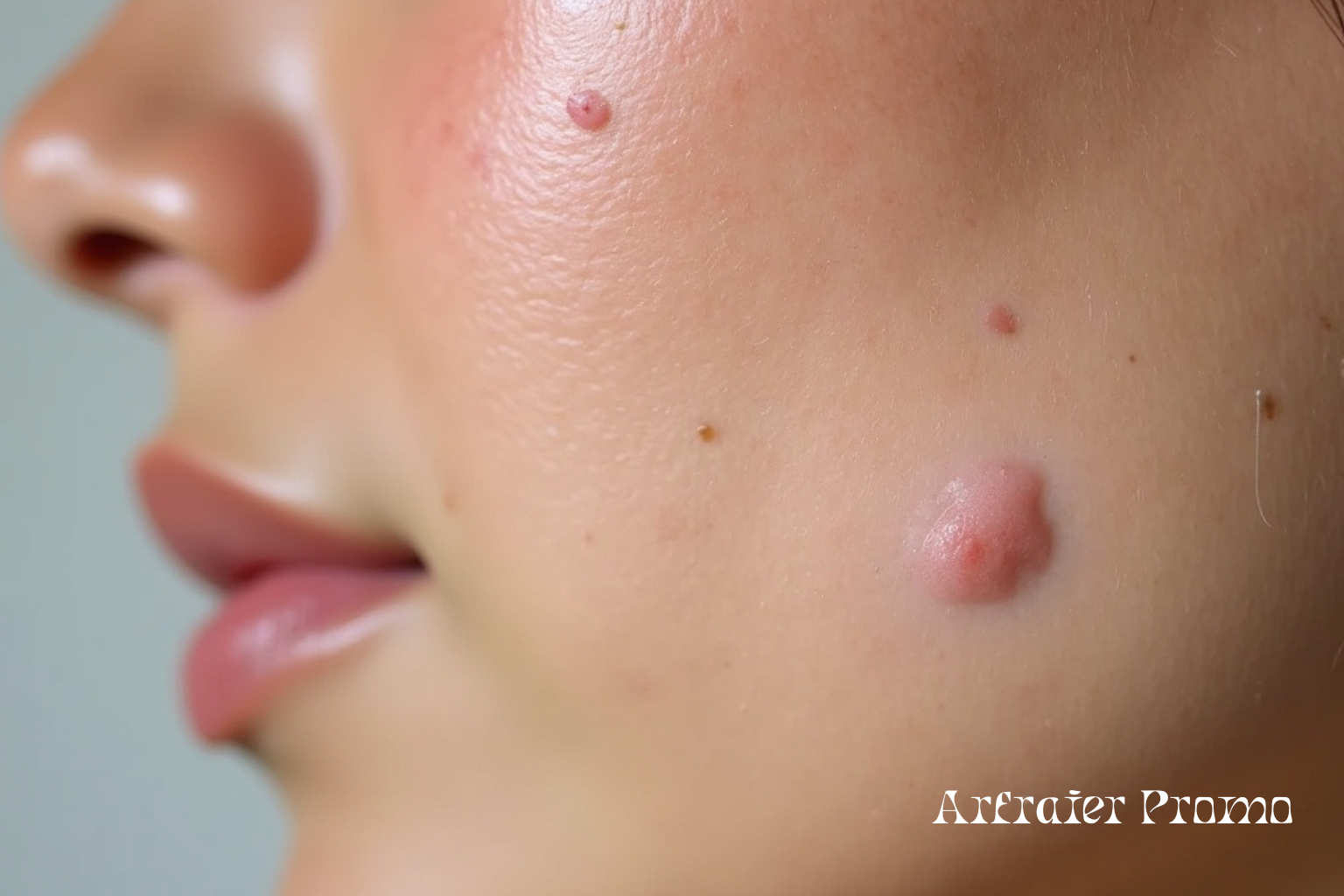
Facial skin tags are usually harmless, but because the face is visible, many people choose removal for cosmetic reasons.
Main Reasons Skin Tags Develop
Skin tags do not appear randomly. Common reasons include:
-
Skin friction from tight clothing or skin folds
-
Age, as skin becomes looser over time
-
Genetics, if family members have skin tags
-
Obesity, which increases skin rubbing
-
Pregnancy, due to hormonal shifts
-
Diabetes or insulin resistance
Having skin tags does not mean you are unhealthy, but multiple or recurring tags can sometimes be linked to metabolic issues.
Is Tagged Skin Ever Cancerous?
True skin tags are benign, meaning they are not cancerous. However, some skin conditions can look similar to skin tags.
You should see a doctor if a growth:
-
Changes color suddenly
-
Becomes hard or irregular
-
Bleeds without being touched
-
Grows rapidly
-
Causes ongoing pain
These signs do not automatically mean cancer, but professional evaluation is important. The Cleveland Clinic notes that while skin tags are usually harmless, they can occasionally indicate underlying metabolic issues.
Tagged Skin vs Other Skin Growths
Many people confuse skin tags with other growths:
-
Moles are usually darker and flatter
-
Warts have a rough surface and are caused by viruses
-
Seborrheic keratosis looks waxy or scaly
-
Melanoma may change shape or color over time
If you are unsure, it is always safer to have a doctor examine the growth.
Skin Tag Removal Options
Skin tag removal is usually quick and simple when done by a professional. Common methods include:
-
Cutting the tag with sterile tools
-
Freezing it using liquid nitrogen
-
Burning it using medical cauterization
Most procedures take only a few minutes and require little recovery time. Removal is often considered cosmetic unless the tag causes pain or irritation.
Are Home Remedies Safe for Skin Tag Removal?
Many home remedies claim to remove skin tags, but they can be risky. Applying chemicals, tying off tags, or cutting them at home may cause:
-
Infection
-
Excessive bleeding
-
Scarring
-
Skin damage
Professional removal is safer, especially for tags on the face or sensitive areas.
Can Skin Tags Be Prevented?
Skin tags cannot always be prevented, but you can reduce the chances by:
-
Wearing loose, breathable clothing
-
Maintaining a healthy weight
-
Managing blood sugar levels
-
Keeping skin clean and dry
-
Avoiding unnecessary friction
These steps may not stop all skin tags but can lower the risk.
When Should You See a Doctor?
You should consult a healthcare provider if:
-
The skin tag becomes painful
-
It changes color or size
-
It bleeds frequently
-
Multiple tags appear suddenly
-
You are unsure if it is a skin tag
Early evaluation helps rule out other conditions.
Do Skin Tags Grow Back After Removal?
Once a skin tag is removed, it usually does not return in the same spot. However, new skin tags may form elsewhere if the underlying causes remain. Lifestyle changes can help reduce recurrence.
Living With Tagged Skin
Tagged skin is common and usually harmless. Many people live with skin tags without any problems. If they affect comfort or confidence, safe removal options are available. Understanding your skin helps you make informed decisions without unnecessary worry.
Conclusion
Tagged skin may look concerning at first, but it is usually harmless and manageable. Knowing the symptoms, causes, and treatment options helps you stay calm and informed. If something does not look or feel right, professional advice is always the safest choice.
Frequently Asked Questions (FAQs)
Q1. Are skin tags contagious?
No, skin tags cannot spread from person to person.
Q2. Can skin tags fall off on their own?
Sometimes very small tags may dry up, but most stay unless removed.
Q3. Is skin tag removal painful?
Most people feel little to no pain during professional removal.
Q4. Does insurance cover skin tag removal?
Insurance usually covers removal only if the tag causes medical issues.