

Owning a home is rewarding, but it also comes with responsibility. Regular home maintenance keeps your house safe, comfortable, and cost-efficient. When small issues are ignored, they slowly turn into expensive repairs. This complete guide is designed to help homeowners understand what to maintain, how often to do it, and when to call a professional.
This article covers three major areas of home care: appliances, plumbing, and outdoor maintenance. Everything is explained in simple words so you can take action without feeling overwhelmed.
Why Home Maintenance Is Important
Home maintenance is not only about fixing things when they break. It is about preventing problems before they start. A well-maintained home:
- Reduces unexpected repair costs
- Extends the life of appliances and systems
- Improves energy efficiency
- Protects your home from water damage and pests
- Maintains or increases property value
Small routine checks can save thousands of dollars in long-term repairs.
Home Appliance Maintenance Guide
Home appliances work daily and often go unnoticed until something stops working. With regular care, most appliances can last years longer than expected.
Kitchen Appliance Maintenance
Kitchen appliances are used frequently and need routine attention.
Refrigerator Maintenance
Your refrigerator runs 24/7, making it one of the most important appliances in your home.
Key maintenance tips:
- Clean condenser coils every 6 to 12 months
- Check door seals to prevent cold air leaks
- Keep the temperature between 37°F and 40°F
- Avoid overloading shelves
Neglecting coil cleaning can cause higher electricity bills and early failure.
Oven and Stove Maintenance
Ovens and stoves should be kept clean for safety and efficiency.
Important steps:
- Clean spills to prevent smoke and odors
- Check burners for even flames
- Inspect electrical connections if applicable
- Avoid harsh chemicals that damage surfaces
Gas stoves should always be checked for gas smell or ignition issues.
Dishwasher Maintenance
Dishwashers often fail due to food buildup and blocked filters.
Maintenance tips:
- Clean the filter monthly
- Inspect spray arms for clogs
- Run an empty cycle with vinegar
- Check door seals for leaks
Regular cleaning improves cleaning performance and prevents drainage issues.
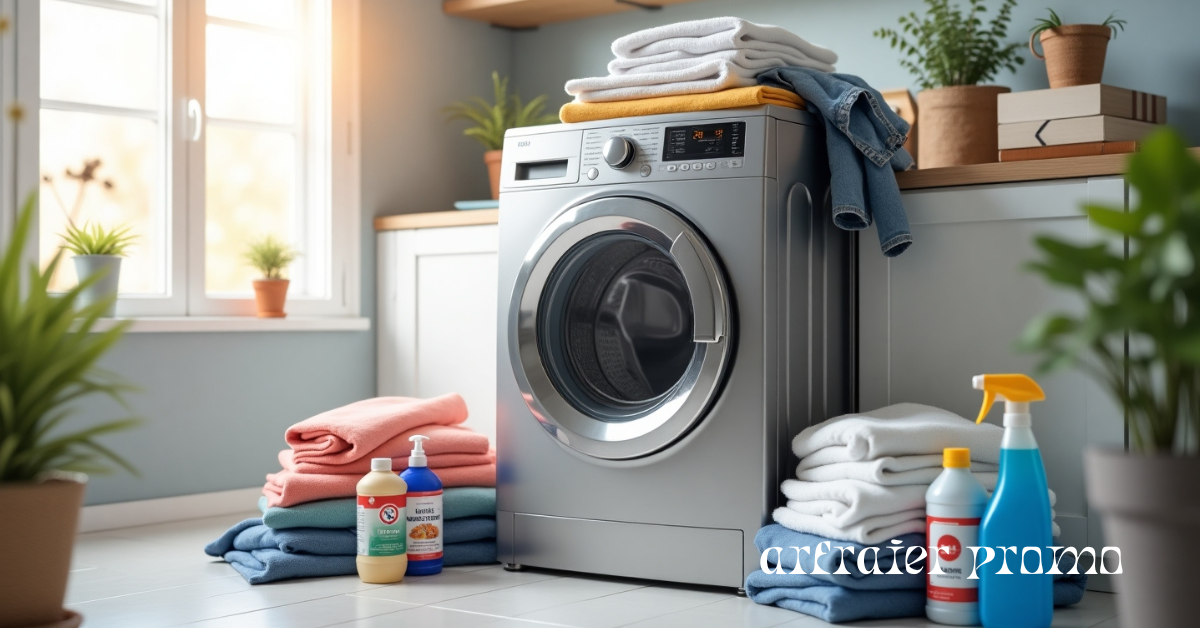
Laundry Appliance Maintenance
Laundry machines handle heavy loads and moisture, making maintenance essential.
Washing Machine Care
Washing machines can develop mold, odors, and leaks if neglected.
Tips to follow:
- Clean detergent dispensers regularly
- Leave the door open after use
- Inspect hoses every 6 months
- Avoid overloading the drum
Replacing old hoses can prevent sudden water damage.
Dryer Maintenance
Dryers pose a fire risk if lint buildup is ignored.
Important tasks:
- Clean lint trap after every load
- Inspect dryer vent every 3 to 6 months
- Ensure proper airflow
- Avoid crushing vent pipes
Clogged dryer vents are a common cause of household fires.
Plumbing Maintenance for a Healthy Home
Plumbing issues often remain hidden until major damage occurs. Routine checks help you catch problems early.
Basic Plumbing Maintenance
Simple plumbing checks can prevent leaks and water damage.
Key actions:
- Look for dripping faucets
- Monitor water pressure
- Check under sinks for moisture
- Test shut-off valves
Even small leaks can waste hundreds of gallons of water each year.
Drain Maintenance
Slow drains are usually a sign of buildup.
Best practices:
- Use strainers in sinks and showers
- Flush drains with hot water weekly
- Avoid chemical drain cleaners
- Use baking soda and vinegar for light clogs
Harsh chemicals can damage pipes over time.
Bathroom Plumbing Care
Bathrooms experience constant water exposure.
Maintenance steps:
- Check toilets for silent leaks
- Reseal grout and caulk annually
- Clean shower drains monthly
- Inspect exhaust fans
Preventing moisture buildup helps avoid mold and structural damage.
Water Heater Maintenance
Water heaters require regular inspection to stay efficient.
Important tasks:
- Flush the tank once a year
- Test pressure relief valve
- Set temperature to 120°F
- Inspect for rust or leaks
Sediment buildup reduces efficiency and shortens lifespan.
Outdoor Home Maintenance Guide
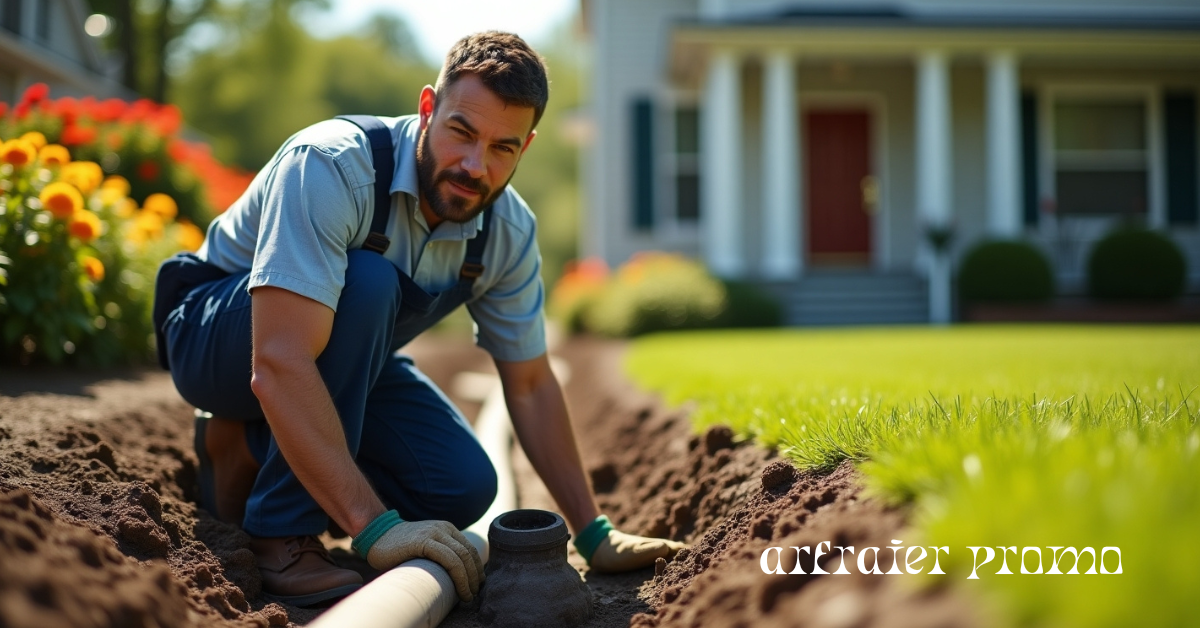
Outdoor maintenance protects your home from weather, pests, and water damage.
Lawn and Yard Maintenance
A well-maintained yard improves curb appeal and prevents foundation issues.
Tasks include:
- Mowing grass regularly
- Proper watering schedules
- Removing weeds
- Trimming trees away from the house
Overgrown roots and trees can damage plumbing and foundations.
Gutter Maintenance
Clogged gutters cause water to overflow and damage your home.
Maintenance tips:
- Clean gutters twice a year
- Inspect downspouts
- Ensure water flows away from the foundation
- Install gutter guards if needed
Water pooling near the foundation leads to cracks and leaks.
Roof Maintenance
Roof inspections prevent costly leaks.
What to check:
- Missing or damaged shingles
- Signs of sagging
- Flashing around chimneys
- Water stains in attic
Early roof repairs are far cheaper than full replacements.
Exterior Walls, Windows, and Doors
Your home’s exterior protects it from the elements.
Maintenance steps:
- Seal cracks and gaps
- Inspect siding for damage
- Replace worn weatherstripping
- Repaint exposed surfaces
Drafty windows increase heating and cooling costs.
Seasonal Home Maintenance Checklist
Breaking tasks by season makes maintenance easier.
Spring and Summer Maintenance
Focus areas:
- HVAC servicing
- Lawn and garden care
- Exterior inspections
- Window and screen repairs
Fall and Winter Maintenance
Important tasks:
- Heating system inspection
- Pipe insulation
- Gutter cleaning
- Roof and attic checks
Preparing before winter prevents frozen pipes and heat loss.
DIY vs Professional Home Maintenance
Not every task should be handled alone.
DIY-friendly tasks:
- Filter replacements
- Basic cleaning
- Visual inspections
Hire professionals for:
- Electrical repairs
- Major plumbing work
- Roof repairs
- Structural issues
Knowing your limits prevents accidents and costly mistakes.
Common Home Maintenance Mistakes
Avoid these frequent issues:
- Ignoring small leaks
- Skipping seasonal checks
- Using incorrect cleaning products
- Forgetting outdoor maintenance
Consistency is the key to long-term home care.
Conclusion
Home maintenance does not have to be complicated. By following a structured approach and staying consistent, you can protect your home, save money, and avoid unnecessary stress. This guide gives you a strong foundation to keep every part of your home working safely and efficiently year-round.
Frequently Asked Questions (FAQs)
Q1. How often should home maintenance be done?
Most tasks should be checked monthly, seasonally, or annually depending on the system.
Q2. Is home maintenance expensive?
Routine maintenance is far cheaper than emergency repairs.
Q3. What should homeowners prioritize first?
Plumbing, roofing, and HVAC systems should always be top priority.