

Rising electricity bills are a common concern for many households. Even when daily routines stay the same, monthly energy costs can increase unexpectedly. In most cases, the reason is not a single appliance but a combination of everyday household devices using more electricity than people realize.
Understanding which home appliances consume the most power and why they do so is the first step toward better energy management. This guide explains common appliances that increase electricity bills, the reasons behind their high energy use, and practical steps homeowners can take to reduce unnecessary consumption.
Why Some Home Appliances Use More Electricity
Not all appliances use electricity in the same way. Some operate continuously, while others consume large amounts of power in short bursts. Electricity usage is influenced by several factors, including appliance age, efficiency, usage habits, and maintenance.
Older appliances generally use more electricity because they lack modern energy-saving technology. Appliances that heat or cool air or water tend to consume the most power. Poor maintenance, incorrect placement, and running appliances during peak hours can also increase energy usage without obvious warning signs.
Refrigerators and Freezers
Refrigerators and freezers are among the highest electricity consumers in most homes because they operate 24 hours a day. Even small inefficiencies can lead to noticeable increases in monthly bills.
Common reasons refrigerators use excessive electricity include dirty condenser coils, damaged door seals, and poor airflow around the unit. Overfilling or frequently opening the door also forces the appliance to work harder to maintain internal temperature.
Older models are particularly inefficient and may consume significantly more energy than newer designs, even when functioning properly.
Air Conditioners and Space Heaters
Heating and cooling appliances are major contributors to high electricity bills. Air conditioners and space heaters draw large amounts of power, especially when used for long periods or in poorly insulated spaces.
Incorrect thermostat settings, such as setting temperatures too low or too high, cause these appliances to run longer than necessary. Running air conditioners or heaters in empty rooms is another common issue that leads to wasted energy. Poor insulation, blocked vents, and dirty filters further increase electricity usage by reducing system efficiency.
Electric Water Heaters
Electric water heaters often go unnoticed because they operate in the background. However, they can be one of the largest contributors to household electricity consumption.
Many water heaters maintain hot water around the clock, even when no one is using it. High temperature settings and long showers increase the frequency of reheating cycles, resulting in higher energy use.
Sediment buildup inside the tank can also reduce efficiency, forcing the heater to consume more electricity to achieve the same temperature.
Washing Machines and Dryers
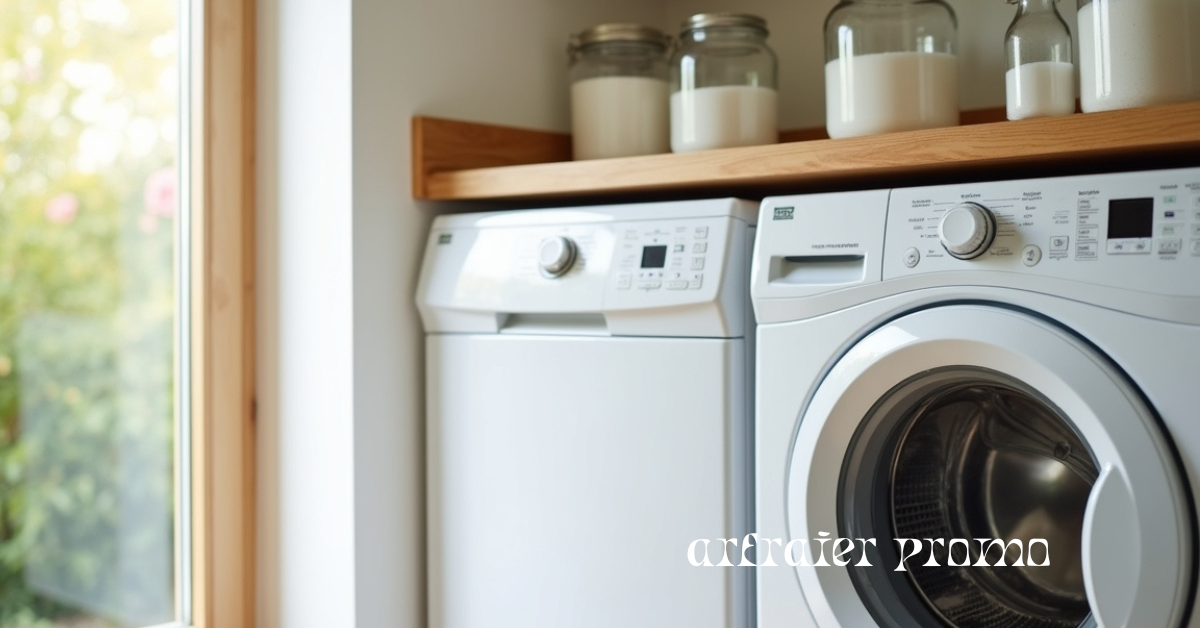
Laundry appliances use electricity in different ways. Washing machines consume more power when hot water cycles are selected, while dryers use high heat to remove moisture from clothes.
Overloading or underloading washing machines reduces efficiency and increases electricity usage. Dryers, in particular, can significantly raise electricity bills when used frequently or for extended drying times.
Clogged lint filters and restricted airflow force dryers to run longer, increasing both energy consumption and wear on the appliance.
Ovens, Microwaves, and Electric Stoves
Cooking appliances can cause short but intense spikes in electricity usage. Electric ovens and stoves require high power to generate heat, especially during preheating.
Leaving ovens on longer than necessary, cooking during peak electricity hours, and using inappropriate cookware can all contribute to higher energy use. While microwaves generally consume less electricity, frequent use throughout the day can still add up over time.
Using large appliances for small cooking tasks is another common reason electricity consumption increases unnecessarily.
Old and Energy-Inefficient Appliances
Appliance age plays a major role in electricity consumption. Older appliances were built before modern efficiency standards and often use significantly more power to perform the same tasks as newer models.
Worn components, outdated motors, and declining insulation all contribute to increased electricity usage over time. Even if an appliance still functions well, it may be costing more to operate than homeowners realize. In many cases, inefficient appliances remain in use simply because the increase in electricity bills happens gradually.
Appliances That Use Power Even When Turned Off
Many households are unaware that certain appliances continue to use electricity even when turned off. This is commonly known as standby or phantom power.
Devices such as televisions, chargers, routers, gaming consoles, and smart home equipment often remain partially active to respond quickly when turned on. Individually, these devices use small amounts of electricity, but together they can have a noticeable impact on monthly bills.
Leaving chargers plugged in without a device connected is another frequent cause of unnecessary power usage.
Poor Appliance Maintenance and Cleaning
Lack of maintenance is a major factor in increased electricity consumption. Appliances with dirty filters, blocked vents, or clogged components must work harder to perform basic functions.
Air conditioners with dirty filters, refrigerators with dusty coils, and dryers with blocked vents all consume more electricity than properly maintained units. Regular cleaning improves airflow and efficiency, reducing overall power usage. Neglecting maintenance not only increases electricity bills but can also shorten appliance lifespan.
Incorrect Appliance Placement in the Home
Where appliances are placed inside a home affects how efficiently they operate. Refrigerators located near heat sources such as ovens or direct sunlight must work harder to stay cool.
Similarly, appliances without proper ventilation space trap heat, increasing energy consumption. Poor placement can also restrict airflow, making appliances less efficient and increasing electricity use over time. Simple adjustments in positioning can sometimes lead to noticeable energy savings without replacing equipment.
Using Appliances During Peak Electricity Hours
Electricity demand is often higher during certain times of the day, typically in the morning and evening. Running multiple high-power appliances simultaneously during peak hours increases overall electricity load.
Using washing machines, dryers, water heaters, and ovens at the same time can strain household electrical systems and increase energy usage. Spreading appliance use throughout the day helps reduce demand and manage consumption more efficiently.
Faulty Wiring or Outdated Home Electrical Systems
In some cases, the problem lies not with the appliances but with the home’s electrical system. Old wiring, loose connections, and outdated panels can cause energy loss and inefficiency.
Electrical issues may lead to appliances drawing more power than necessary or operating inefficiently. These problems often go unnoticed until electricity bills rise significantly or safety concerns emerge. Regular electrical inspections help identify hidden issues that contribute to higher energy usage.
Common High-Energy Appliances and Their Impact
Appliance |
Why It Uses More Electricity |
Common User Issue |
Simple Improvement |
|---|---|---|---|
| Refrigerator | Runs continuously | Dirty coils, worn seals | Clean coils, check door seals |
| Air Conditioner | Long run cycles | Poor insulation | Improve airflow, adjust thermostat |
| Water Heater | Constant reheating | High temperature settings | Lower temperature setting |
| Dryer | High heat usage | Blocked vents | Clean lint filter regularly |
| Oven | High power heating | Excessive preheating | Use only when necessary |
Simple Ways to Reduce Electricity Usage at Home
Reducing electricity bills does not always require replacing appliances. Small changes in habits and maintenance can make a noticeable difference.
Cleaning appliance components regularly improves efficiency. Adjusting temperature settings to reasonable levels prevents excessive energy use. Turning off appliances completely rather than leaving them on standby reduces phantom power consumption.
Spacing appliance usage throughout the day and avoiding peak hours helps manage energy demand. Ensuring proper ventilation and placement improves appliance performance without additional cost. Implementing small changes, like turning off unused appliances and adjusting settings, can help reduce electricity bills effectively.
Conclusion
High electricity bills are often the result of everyday appliances operating inefficiently rather than excessive usage alone. Refrigerators, heating and cooling systems, water heaters, and laundry appliances contribute significantly to household energy consumption when poorly maintained or misused.
By understanding how common home appliances increase electricity bills and addressing common user problems, homeowners can take practical steps to reduce unnecessary energy use. Awareness, maintenance, and mindful usage habits play a key role in controlling electricity costs over time.
Frequently Asked Questions (FAQs)
Q1. Why is my electricity bill high even when my usage feels normal?
Electricity bills can rise due to inefficient appliances, standby power usage, poor maintenance, or increased usage during peak hours. These factors often increase energy consumption gradually without obvious daily changes.
Q2. Which home appliance uses the most electricity?
Heating and cooling appliances such as air conditioners, space heaters, and electric water heaters usually consume the most electricity. Refrigerators also use a significant amount because they run continuously.
Q3. Do old appliances really increase electricity bills?
Yes, older appliances often consume more electricity because they are less efficient and lack modern energy-saving features. Wear and tear over time also reduces their performance.
Q4. What is phantom power, and does it affect electricity bills?
Phantom power refers to electricity used by devices when they are turned off but still plugged in. While each device uses a small amount, the combined usage can noticeably increase monthly bills.
Q5. Does appliance maintenance help reduce electricity usage?
Regular maintenance improves airflow and efficiency, allowing appliances to operate with less effort. Clean filters, coils, and vents help reduce unnecessary power consumption.