

Electrical systems quietly power our homes, offices, and daily routines, yet they are often ignored until something goes wrong. Flickering lights, tripping breakers, or burning smells are usually signs of deeper electrical issues that could become dangerous if left unchecked. Electrical maintenance is not just about fixing problems. It is about preventing hazards, improving safety, and ensuring your electrical system works efficiently for years to come.
This guide explains electrical maintenance in simple terms and helps you understand safety tips, common issues, and practical solutions.
What Is Electrical Maintenance?
Electrical maintenance refers to the regular inspection, testing, and care of electrical systems and components. This includes wiring, outlets, switches, circuit breakers, and electrical panels. The goal is to identify small problems before they turn into costly or dangerous failures. Electrical maintenance is preventive in nature, meaning it helps avoid power disruptions, fire risks, and unexpected repairs.
Why Electrical Maintenance Is Important
Regular electrical maintenance plays a critical role in keeping homes and buildings safe. Faulty wiring and neglected systems are among the leading causes of electrical fires. Maintenance also improves energy efficiency by ensuring that power flows correctly without unnecessary loss. Over time, it reduces repair costs, extends the life of electrical equipment, and provides peace of mind knowing the system is safe and reliable.
Signs Your Electrical System Needs Maintenance
You should inspect your electrical system if you notice any of the following signs:
-
Flickering or dimming lights – could indicate loose wiring or overloaded circuits.
-
Burning smells near outlets or panels – a serious warning sign of potential fire hazards.
-
Frequent tripping of circuit breakers – may suggest overloads, faulty breakers, or wiring issues.
-
Warm or discolored outlets and switches – often a sign of overheating or poor connections.
-
Buzzing or crackling sounds from switches or outlets – may indicate loose wires or electrical faults.
-
Mild shocks when touching appliances or switches – points to faulty wiring or grounding issues.
-
Outdated electrical panels or fuse boxes – old systems may not handle modern electrical loads safely.
Basic Electrical Maintenance Safety Tips
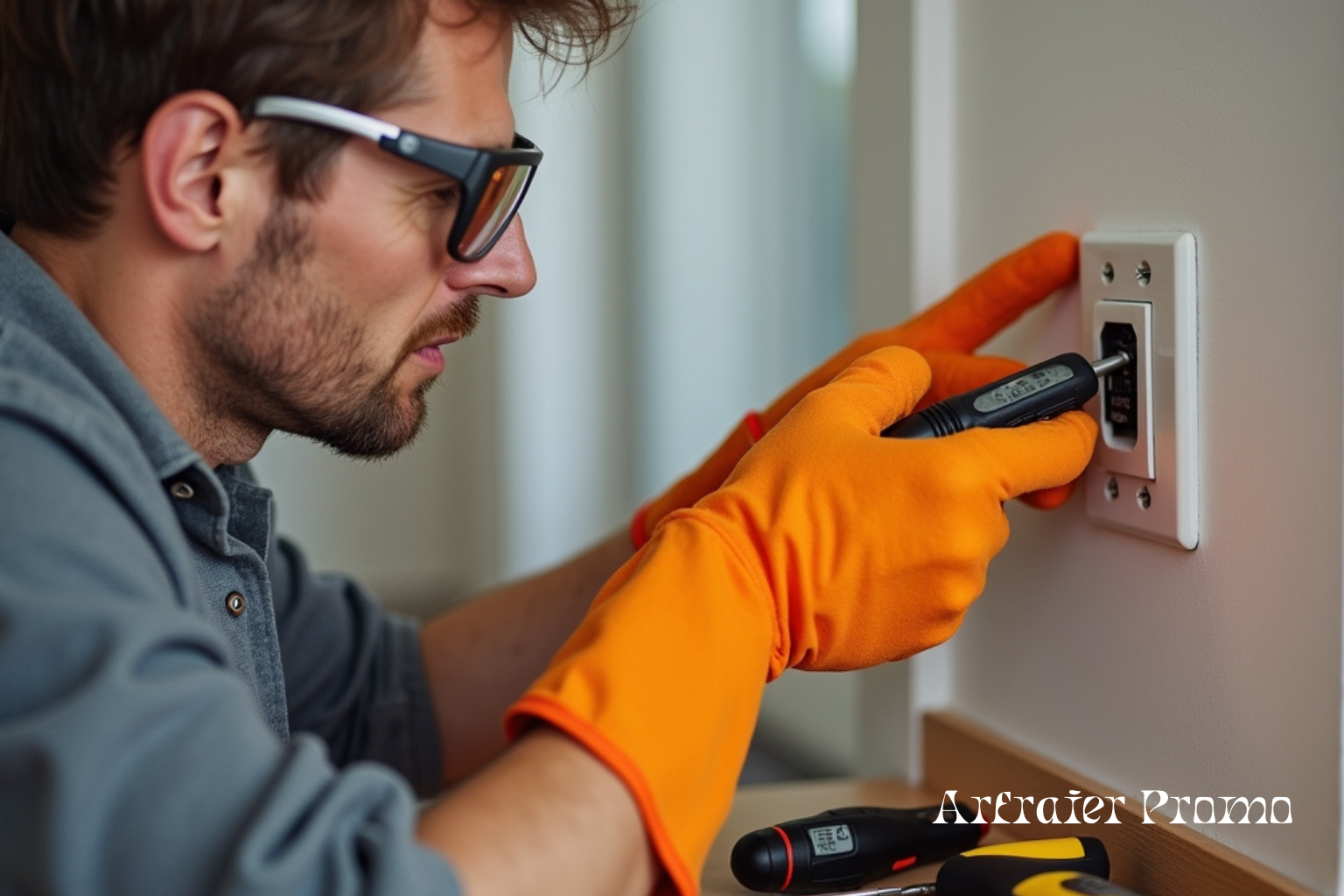
Safety should always come first when dealing with electricity. Before any inspection, power should be turned off at the breaker panel. Never handle electrical components with wet hands or in damp areas. Avoid overloading outlets with multiple devices. Use insulated tools and protective gear such as gloves and safety glasses. Most importantly, if you are unsure or uncomfortable, stop and call a licensed electrician.
Electrical Maintenance Equipment
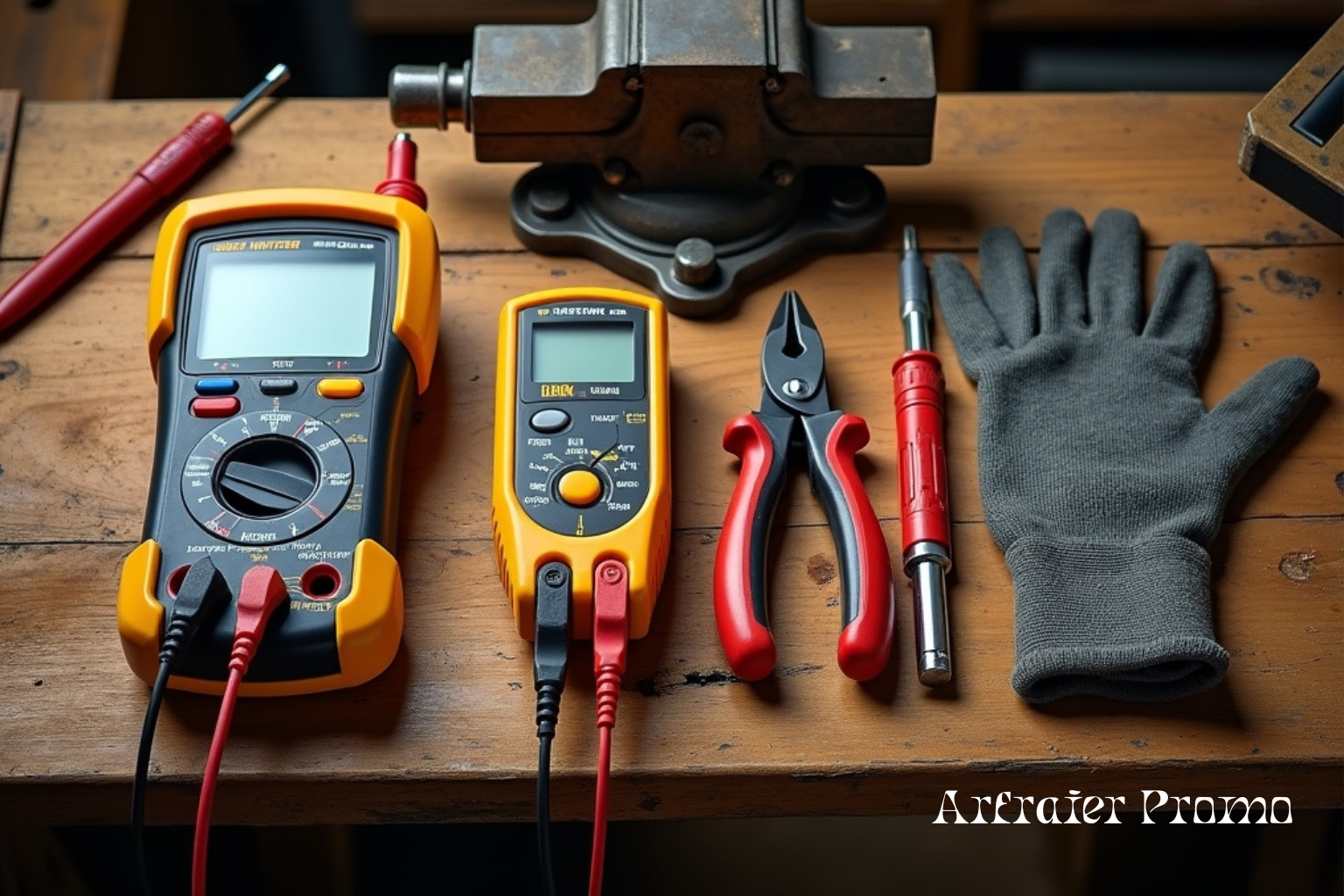
Using the right equipment makes electrical maintenance safer and more effective. Some tools are suitable for basic household checks, while others are designed for professionals.
Equipment Name |
Purpose |
Common Uses |
Suitable For |
|---|---|---|---|
| Insulated Screwdrivers | Prevents electric shock | Outlet and switch repairs | Homeowners & Professionals |
| Insulated Pliers & Cutters | Safe wire handling | Cutting and gripping wires | Homeowners & Professionals |
| Voltage Tester | Detects live current | Checking outlets and wires | Homeowners |
| Multimeter | Measures voltage and resistance | Diagnosing electrical faults | Homeowners (basic) & Professionals |
| Circuit Tester | Checks outlet wiring | Detecting grounding issues | Homeowners |
| Electrical Tape | Insulates connections | Securing exposed wires | Homeowners & Professionals |
| Personal Protective Equipment | Improves safety | Gloves, glasses, footwear | Homeowners & Professionals |
| Surge Protector | Prevents power damage | Protecting appliances | Homeowners |
| Flashlight or Headlamp | Improves visibility | Panel and basement work | Homeowners & Professionals |
| Cable Labels & Ties | Organizes wiring | Wire management | Homeowners & Professionals |
Common Electrical Maintenance Issues
Several electrical issues occur repeatedly in homes and buildings. Loose connections are common and can cause overheating. Damaged or aging wiring increases fire risks. Faulty switches and outlets may stop working or spark. Circuit breakers may trip frequently due to overloads or internal faults. Power surges caused by storms or faulty equipment can damage appliances and electronics.
Simple Electrical Maintenance Solutions
Many electrical problems have straightforward solutions. Tightening loose connections and replacing worn outlets can improve safety immediately. Resetting or upgrading old circuit breakers helps manage electrical loads more effectively.
Using surge protectors prevents appliance damage. Scheduling regular inspections ensures small issues are addressed before becoming major problems. However, complex wiring repairs should always be handled by professionals.
Preventive Electrical Maintenance Tips
Preventive maintenance saves time, money, and stress. Regular visual inspections help spot early warning signs. Keeping electrical panels clean and clearly labeled improves safety. Replacing outdated wiring systems ensures compliance with modern safety standards.
Avoid running extension cords permanently. Use energy-efficient appliances to reduce electrical load and improve system performance.
DIY vs Professional Electrical Maintenance
Some electrical maintenance tasks can be safely handled by homeowners, such as replacing outlets, testing sockets, or resetting breakers. However, tasks involving wiring upgrades, panel replacements, or high-voltage systems should always be left to licensed electricians. Professional maintenance ensures compliance with safety codes and reduces the risk of serious accidents.
Electrical Safety Rules
To ensure safe electrical maintenance, follow these essential rules:
-
Always turn off the main power supply before inspecting or repairing any electrical component.
-
Use insulated tools and wear protective equipment like gloves and safety glasses.
-
Keep water and moisture away from all electrical work areas and equipment.
-
Avoid overloading sockets or extension cords to prevent overheating and fire risks.
-
Never attempt complex repairs, such as panel upgrades or rewiring, without professional training.
-
Keep children and pets away from electrical work areas.
-
Stop immediately if you notice sparks, burning smells, or unusual noises and contact a licensed electrician.
Electrical Maintenance Checklist
A simple maintenance checklist can help keep electrical systems in good condition.
Maintenance Frequency |
Tasks |
|---|---|
| Monthly | Visual inspection of outlets and cords |
| Seasonal | Test breakers and surge protectors |
| Annually | Professional electrical inspection |
How Often Should Electrical Maintenance Be Done?
For homes, basic inspections should be done monthly, with professional inspections once a year. Offices and commercial buildings may require quarterly checks due to higher electrical usage. Older buildings may need more frequent maintenance to ensure safety and compliance.
Cost of Electrical Maintenance
The cost of electrical maintenance varies depending on the size of the system and the level of inspection required. Preventive maintenance is usually affordable and far less expensive than emergency repairs or replacing damaged systems. Investing in regular maintenance saves money in the long run and reduces safety risks.
Conclusion
Electrical maintenance is an essential part of keeping homes and buildings safe, efficient, and reliable. By understanding common issues, using proper equipment, and following preventive practices, many electrical problems can be avoided. Regular maintenance not only protects your property but also ensures the safety of everyone inside. When in doubt, professional help is always the safest choice.
Frequently Asked Questions (FAQs)
Q1. Can homeowners perform electrical maintenance themselves?
Yes, basic tasks like outlet testing and visual inspections are safe, but complex repairs require professionals.
Q2. How do I know if my wiring is outdated?
Frequent breaker trips, warm outlets, and old fuse boxes often indicate outdated wiring.
Q3. Is electrical maintenance legally required?
Some commercial buildings are required to follow maintenance standards, while homeowners are strongly encouraged to do so for safety.
Q4. What happens if electrical maintenance is ignored?
Ignoring maintenance can lead to electrical fires, system failures, costly repairs, and serious safety hazards.