


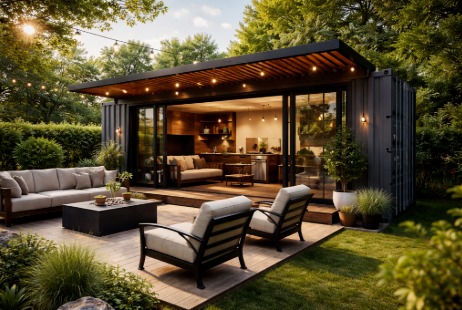
Outdoor living has evolved far beyond patios and decks. Homeowners today are increasingly interested in flexible, durable, and design-forward solutions that allow them to extend their living space into the outdoors without committing to traditional construction. One concept that has gained steady attention is the transformation of a shipping container into a functional and stylish outdoor living structure. In particular, the 40 ft shipping container has become a popular base due to its generous interior dimensions and structural integrity. However, turning an industrial unit into a comfortable outdoor environment requires thoughtful planning, balanced decision-making, and an understanding of the trade-offs involved.
At its core, this approach represents a shift toward adaptable architecture. Instead of building from scratch, people repurpose existing steel structures into lounges, studios, guest spaces, kitchens, or entertainment areas. While the idea may appear straightforward, the process involves a range of considerations that directly affect usability, comfort, longevity, and environmental impact.
Understanding the Structural Foundation
A cargo container is engineered to withstand extreme conditions such as heavy stacking loads, long-distance transportation, and exposure to harsh weather. This inherent strength is one of the main reasons it appeals to outdoor living projects. Steel walls, rigid framing, and standardized dimensions provide a predictable and durable foundation that can last for decades when properly maintained.
That said, structural strength alone does not equate to livability. Cutting openings for doors, windows, or ventilation alters load paths within the structure. Reinforcement becomes necessary to preserve stability, which introduces both cost and design limitations. There is a trade-off between openness and integrity: larger openings improve airflow and visual connection to the outdoors, but they require additional steel framing and professional fabrication to ensure safety.
Another consideration is size. A 40 foot shipping container offers enough interior volume to create multi-purpose spaces, but it also presents logistical challenges. Transportation, site access, and placement require adequate clearance and planning. While smaller units are easier to handle, they may limit design flexibility. Choosing size, therefore, becomes a balance between ambition and practicality.
Design Flexibility Versus Functional Constraints
One of the most appealing aspects of repurposing a storage container is its modular nature. The rectangular shape allows designers to experiment with layouts that accommodate seating areas, kitchens, sleeping quarters, or workspaces. For outdoor living, this flexibility makes it possible to create spaces that blur the line between indoors and outdoors through sliding doors, fold-out walls, or covered extensions.
However, the same standardized dimensions that enable modularity can also restrict creativity. Ceiling heights are lower than conventional residential structures, which can affect comfort and ventilation. Adding insulation, flooring, and ceiling finishes further reduces usable interior space. Designers must decide whether to prioritize thermal performance or spatial openness, as achieving both often requires additional structural modifications.
Material choices also involve trade-offs. Steel exteriors are durable but can feel visually cold or industrial. Cladding options such as wood, composite panels, or green walls can soften the appearance and help the structure blend into an outdoor setting. These enhancements improve aesthetics but increase maintenance requirements and overall cost. Balancing visual appeal with long-term durability is a key design challenge.
Comfort, Climate, and Usability
For an outdoor living space to be genuinely usable, comfort must be addressed. Steel structures conduct heat efficiently, which means temperature control is a critical factor. Without proper insulation, interiors can become uncomfortably hot in summer and cold in winter. Adding insulation improves thermal performance but requires careful material selection to avoid moisture buildup and corrosion.
Ventilation plays a similarly important role. Natural airflow through operable windows and doors reduces reliance on mechanical systems, but placement must account for prevailing winds, sun exposure, and privacy. Mechanical climate control offers consistency but increases energy consumption and operational costs. The decision between passive and active systems often depends on how frequently the space will be used and in what climate.
Acoustics are another often overlooked aspect. Steel surfaces reflect sound, which can create echo and noise issues, especially in entertainment or social settings. Interior finishes such as wood panels, textiles, or acoustic treatments improve sound quality but add layers of complexity to the build.
Regulatory and Site Considerations
Transforming a cargo container into an outdoor living area is not solely a design exercise; it is also a regulatory one. Local zoning laws, building codes, and permit requirements vary widely. Some jurisdictions classify container structures as temporary, while others treat them as permanent buildings. Understanding these distinctions is crucial before beginning any project.
Site preparation also influences feasibility. A level foundation is necessary to prevent structural stress and water intrusion. Options range from concrete pads to pier foundations, each with its own environmental and cost implications. A permanent foundation provides stability but reduces mobility, while a lighter foundation allows relocation at the expense of long-term durability.
Accessibility is another practical factor. Placement should consider proximity to utilities, outdoor pathways, and existing structures. A well-located unit enhances usability, while poor placement can limit how the space integrates with the rest of the property.
Environmental Impact and Sustainability
One of the most frequently cited advantages of container-based construction is sustainability. Reusing an existing steel structure reduces the demand for new building materials and minimizes construction waste. This reuse can be a meaningful way to extend the lifecycle of industrial materials that might otherwise sit unused.
However, sustainability is not automatic. Transporting a heavy steel unit over long distances generates emissions, and extensive modifications can offset some of the environmental benefits. Insulation materials, finishes, and mechanical systems all contribute to the project’s overall footprint. Making environmentally responsible choices requires evaluating the full lifecycle impact rather than focusing on reuse alone.
Energy efficiency is another important consideration. Incorporating solar panels, energy-efficient lighting, and passive design strategies can significantly reduce operational impact. These features may increase upfront costs but often result in long-term savings and reduced environmental strain. The challenge lies in balancing initial investment with future benefits.
Cost, Value, and Long-Term Planning
Cost is a decisive factor for most homeowners exploring outdoor living solutions. Using a 40 ft container can be more affordable than traditional construction, particularly when speed and structural durability are prioritized. However, costs can escalate quickly with extensive customization, high-end finishes, or complex site requirements.
There is also the question of long-term value. While container-based spaces can enhance property functionality and appeal, their impact on resale value varies by market. Some buyers appreciate the flexibility and modern aesthetic, while others may view unconventional structures as niche. Planning with adaptability in mind—such as designing the space for multiple potential uses—can help preserve value over time.
Maintenance is another long-term consideration. Steel structures require protection against corrosion, particularly in humid or coastal environments. Regular inspections, protective coatings, and proper drainage are essential to ensure longevity. These ongoing responsibilities should be factored into decision-making from the outset.
Balancing Innovation With Practicality
Transforming a storage container into an outdoor living space is ultimately an exercise in balance. Innovation drives creativity and allows homeowners to reimagine how space can be used, but practicality ensures that the result is comfortable, compliant, and sustainable. Every design choice involves trade-offs between cost, comfort, durability, and environmental impact.
The most successful projects are those that begin with a clear understanding of purpose. Whether the goal is a seasonal lounge, a year-round guest space, or a multifunctional retreat, clarity of intent guides decisions about size, layout, materials, and systems. By carefully weighing these factors, it becomes possible to create an outdoor living environment that is not only visually compelling but also functional and responsible.
Making Informed Decisions
As interest in alternative outdoor living solutions continues to grow, container-based spaces represent a compelling option for those willing to engage with their complexities. The process requires more than enthusiasm; it demands informed decision-making and realistic expectations. Considering structural modifications, comfort requirements, regulatory constraints, and environmental impact ensures that the final result aligns with both personal needs and broader responsibilities.
In the end, transforming a steel container into an outdoor living space is less about novelty and more about thoughtful adaptation. When approached with care, it can offer a durable, flexible, and environmentally conscious extension of the home—one that reflects modern priorities without sacrificing practicality or comfort.