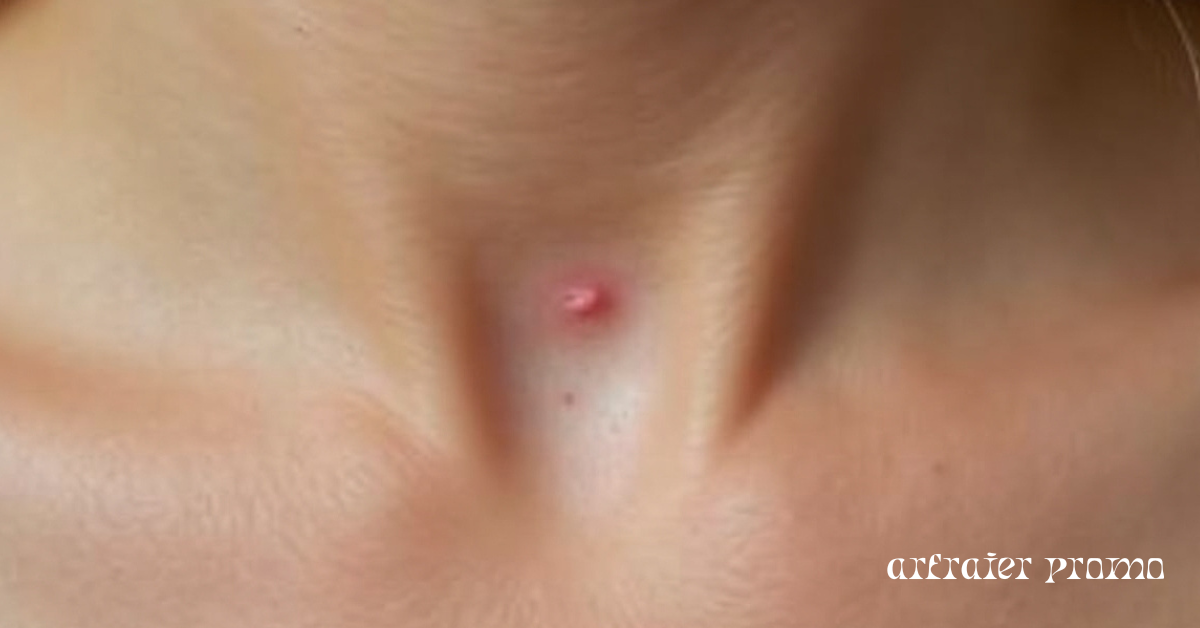


A tooth infection may begin with a small ache, a bit of swelling, or sensitivity to hot and cold. Many people ignore these early signs, hoping the pain will fade. As a dentist who has treated thousands of emergency cases, I can tell you one truth that never changes: a tooth infection never heals on its own. It either gets treated or it gets worse. And in rare but serious situations, it can become life-threatening. Understanding how quickly an infection can spread, the stages involved, and the warning signs can protect both your health and your life.
What Is a Tooth Infection?
A tooth infection occurs when bacteria enter the inner part of the tooth, known as the pulp. This usually happens because of deep cavities, cracked teeth, gum disease, or untreated decay. Once the bacteria reach the pulp, they multiply and create pus, leading to an abscess. You can read more about dental abscesses on Mayo Clinic.
There are three main types of abscesses:
• Periapical abscess: starts inside the tooth.
• Periodontal abscess: begins in the gums.
• Gingival abscess: forms on the gum surface.
While these infections start locally, they can spread quickly if ignored.
How Long Until a Tooth Infection Kills You?
There is no fixed number of days before a tooth infection becomes fatal. Every person’s immune system reacts differently. What we do know from medical cases is this:
• A localized infection can worsen within 24–72 hours.
• The infection can spread to the jaw, face, or neck within a few days if untreated.
• Severe complications like Ludwig’s angina, sepsis, or brain infection may develop over days to a week.
Death from a tooth infection is uncommon today thanks to modern dentistry, but it is still medically possible. The danger is not the tooth itself; it is the spread of bacteria into vital areas like the bloodstream, throat, or brain.
This is why early treatment is always the safest path.
Stages of a Tooth Infection
Understanding the stages can help you recognize how far the infection has progressed.
Stage 1: Local Tooth Infection
At this stage, pain is usually sharp or throbbing. The infection is still confined inside the tooth. It is the easiest stage to treat and usually requires a root canal or antibiotics with dental treatment.
Stage 2: Abscess Formation
A pocket of pus forms around the tooth. Swelling may appear in the gums or face. Pain becomes more intense, and chewing may be uncomfortable. If untreated, the abscess begins to break out of the tooth area.
Stage 3: Spread to Surrounding Tissues
Swelling extends to the jaw, cheek, or under the tongue. Opening the mouth can become difficult. The infection begins spreading through soft tissues and can travel along the neck spaces.
Stage 4: Systemic Spread
Fever, fatigue, chills, rapid heartbeat, or dizziness may appear. This means the infection is entering the bloodstream or threatening the airway. Medical emergency care is required immediately.
Stage 5: Life-Threatening Complications
If the infection spreads to vital areas, conditions such as these can develop:
• Ludwig’s angina: swelling under the tongue and throat that blocks breathing.
• Sepsis: body-wide inflammation that can shut down organs.
• Brain abscess: infection reaches the brain tissues.
• Cavernous sinus thrombosis: infected blood clots near the brain.
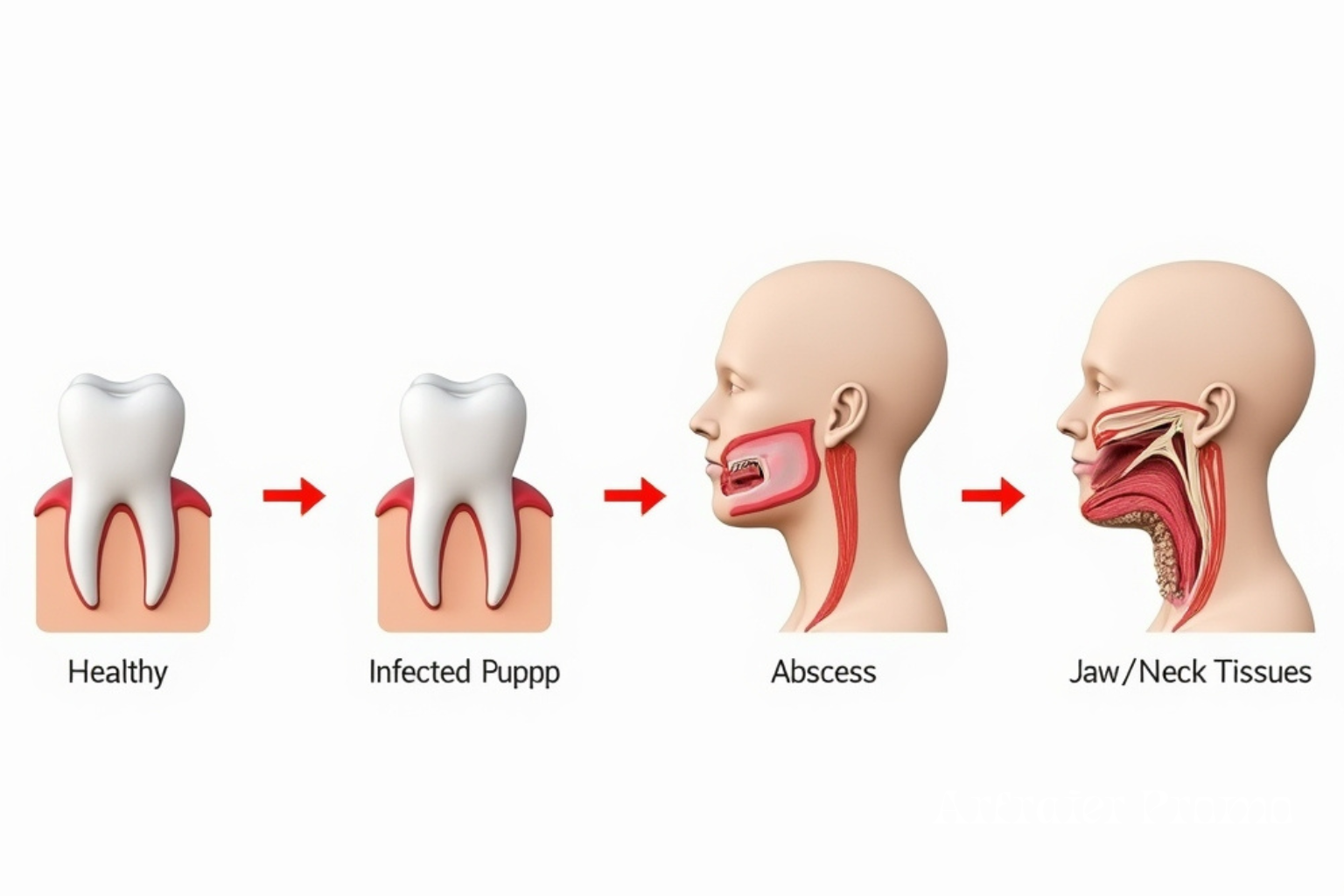
These complications require hospitalization and can be fatal if not treated urgently.
Tooth Infection Severity (Symptoms, Timeline, and Action Needed)
Stage |
What’s Happening in the Body |
Common Symptoms |
Possible Timeline |
Required Action |
|---|---|---|---|---|
| Stage 1: Local Infection | Infection is still inside the tooth pulp | Toothache, sensitivity to hot/cold, mild swelling | 1 to 3 days | Visit a dentist. Root canal or antibiotics with treatment may be needed. |
| Stage 2: Abscess Formation | Pus pocket forms around tooth or gums | Throbbing pain, visible swelling, gum boil | 2 to 5 days | Urgent dental treatment. Drainage or root canal required. |
| Stage 3: Spread to Tissues | Infection moves into jaw, cheek, or neck | Larger facial swelling, difficulty opening mouth, pain when chewing | 3 to 7 days | Emergency dental care. May require antibiotics and imaging. |
| Stage 4: Systemic Spread | Bacteria enter bloodstream or airway spaces | Fever, chills, rapid heartbeat, fatigue, dizziness | Can begin within days | Hospital-level emergency care. IV antibiotics required. |
| Stage 5: Life-Threatening Complications | Infection reaches vital areas like throat, brain, or bloodstream | Trouble breathing, trouble swallowing, severe headache, confusion | Can develop in a week if untreated | Immediate hospitalization. Risk of sepsis, airway blockage, or death. |
Health Risks of an Untreated Tooth Infection
A neglected tooth infection may seem harmless at first, but the risks escalate quickly. Some of the most serious health dangers include:
• Breathing difficulties if the infection spreads to the throat
• Spread to heart, brain, or lungs
• Facial or jawbone damage
• Blood infections
• Permanent nerve or tissue damage
Even if you are managing pain with home remedies or painkillers, the infection underneath continues advancing.
Warning Signs That Your Tooth Infection Is Becoming Dangerous
Call a dentist or seek emergency care immediately if you notice:
- Swelling spreading to your neck or eyes
- High fever or chills
- Difficulty swallowing
- Trouble breathing
- A foul taste in your mouth
- Severe headache
- Inability to open your mouth fully
- Rapid heartbeat or dizziness
These are signs that the infection is progressing and needs urgent care.
When to Seek Emergency Dental or Medical Care
You should see a dentist as soon as you notice any tooth pain, swelling, or abscess. But go directly to the emergency room if you have:
- Difficulty breathing
- Trouble swallowing
- Swelling under the jaw or neck
- High fever with facial swelling
- Signs of dehydration
Emergency doctors may provide IV antibiotics, drain the infection, or secure the airway if needed.
How Dentists Treat Tooth Infections
As a dentist, my goal is always to control the infection and save your tooth whenever possible. Treatment usually includes:
- Root canal therapy to remove the infected pulp
- Abscess drainage to release pus and pressure
- Antibiotics, especially when swelling or fever is present
- Tooth extraction if the tooth cannot be saved
- Imaging, such as X-rays, to see how far the infection has spread
For severe cases, hospital treatment may be needed.
Tooth Infection Treatment, Cost, and Recovery
Treatment Type |
What It Does |
When It’s Needed |
Estimated Cost Range (USD) |
Recovery Time |
|---|---|---|---|---|
| Antibiotics | Controls bacterial spread | When swelling, fever, or early infection is present | 20–100 | 24–72 hours for relief, but must be paired with dental treatment |
| Root Canal Therapy | Removes infected pulp and saves the tooth | Stage 1 or Stage 2 infections | 300–1,500 (varies by tooth type) | Mild soreness for 1–3 days |
| Abscess Drainage | Releases pus and pressure | When abscess is large or painful | 150–600 | Immediate relief, full recovery in 3–7 days |
| Tooth Extraction | Removes severely damaged tooth | When tooth cannot be saved | 100–450 (simple extraction), 200–700 (surgical) | 2–5 days for general healing |
| IV Antibiotics (Hospital) | Treats severe or spreading infection | Stage 4 or Stage 5 infections | 1,000+ depending on hospital care | Depends on infection severity; several days of monitoring |
| Surgical Intervention | Clears deep neck or facial infections | Ludwig’s angina, severe swelling, airway risk | 3,000+ depending on case | Recovery varies; can take weeks |
Prevention: How to Avoid Dangerous Tooth Infections
Most infections are preventable with simple habits:
- Brush and floss daily
- Get regular dental checkups
- Treat cavities early
- Avoid delaying treatment when pain starts
- Maintain a healthy diet
- Use fluoride toothpaste

Taking care of your oral health prevents small infections from turning into dangerous situations.
My Professional Advice as a Dentist
I always tell my patients: pain is your body’s early warning system. A tooth infection does not heal by waiting, hoping, or using temporary painkillers. Early treatment saves money, protects your health, and prevents life-threatening complications. If something feels wrong, get it checked.
Conclusion
A tooth infection is not something to ignore. While death from a dental infection is rare, it becomes possible when bacteria spread to critical areas of the body. Understanding the stages, recognizing warning signs, and seeking timely treatment can prevent serious complications. Your oral health is part of your overall health, and taking quick action protects both.