


If you have searched “is olive oil a seed oil”, you are not alone. This question has become very common, especially as more people try to avoid seed oils for health or cooking reasons. The problem is that online answers are often rushed, confusing, or filled with half-truths.
Some say olive oil is a seed oil. Others say it is not. Social media adds even more confusion by grouping all oils together without explaining where they actually come from.
This article clears things up in simple words. You will learn what olive oil really is, how it differs from seed oils, why people mix them up, and how to choose the right oil for your kitchen with confidence.
Is Olive Oil a Seed Oil?
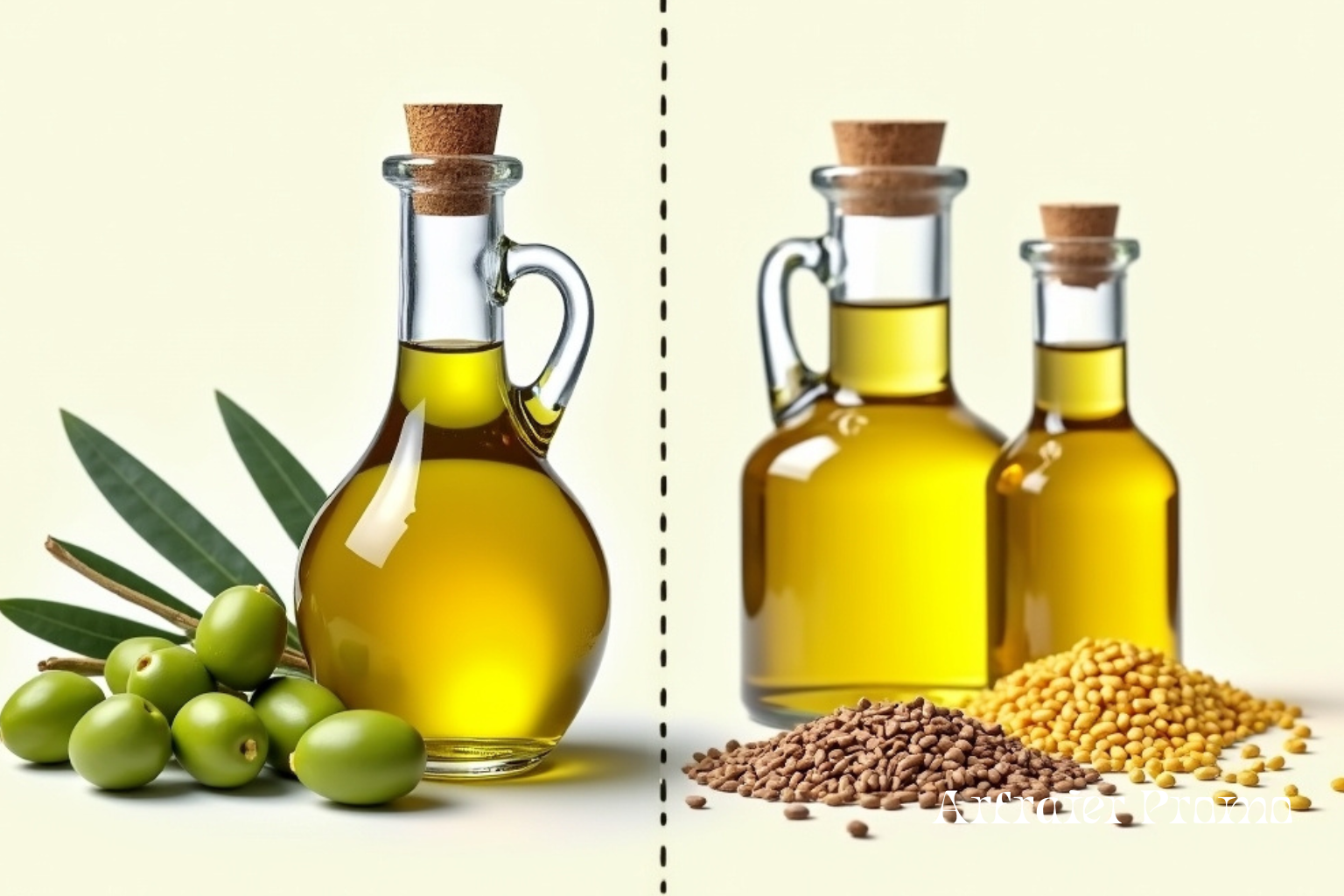
No, olive oil is not a seed oil. Olive oil is made from the fruit of the olive tree, not from seeds. The oil comes from pressing whole olives, not from extracting oil from seeds using heavy processing.
That single difference changes how olive oil is classified, how it is made, and how it is commonly used.
Where Olive Oil Actually Comes From ?
Olives grow on olive trees and are classified as fruit, just like avocados. Inside each olive is a pit, which contains a seed, but the oil does not come from that seed.
Olive oil is produced by crushing the flesh of the olive and pressing it to release oil. For high-quality olive oil, especially extra virgin olive oil, this process uses little to no heat and minimal processing.
Because the oil comes from the fruit itself, olive oil is often referred to as a fruit oil, not a seed oil.
What Is a Seed Oil?
Seed oils are oils that come from the seeds of plants. Instead of being pressed from fruit, they are extracted from seeds using mechanical pressure, heat, or chemical solvents.
Common seed oils include:
-
Sunflower oil
-
Soybean oil
-
Canola oil
-
Corn oil
-
Cottonseed oil
These oils are widely used in packaged foods, fast food cooking, and large-scale food production because they are cheap and have a long shelf life.
Olive Oil vs Seed Oils
Many people think all oils are the same, but olive oil and seed oils are very different in how they are sourced and processed.
Olive Oil vs Seed Oils Comparison
Feature |
Olive Oil |
Seed Oils |
|---|---|---|
| Source | Made from olive fruit | Made from plant seeds |
| How it’s made | Pressed from olives | Often extracted using heat or processing |
| Processing level | Low (especially extra virgin) | Usually highly processed |
| Main fat type | Mostly monounsaturated fats | Mostly polyunsaturated fats |
| Common examples | Extra virgin olive oil | Sunflower, soybean, canola oil |
| Typical uses | Cooking, dressings, drizzling | Frying, packaged foods |
This difference in source and processing is the main reason olive oil is not grouped with seed oils by nutrition experts.
Why People Get Confused About Olive Oil and Seed Oils
The confusion usually comes from three main places.
First, olive oil is sometimes labeled as a vegetable oil, which makes people assume it comes from seeds. In reality, vegetable oil is a broad category that includes oils from fruits, seeds, and plants.
Second, social media discussions often oversimplify the topic by calling all plant oils “seed oils,” even when that is not accurate.
Third, some low-quality olive oils are mixed with cheaper seed oils, which leads people to think olive oil itself is a seed oil.
Can Olive Oil Contain Seed Oils?
Yes, but this depends on the quality of the product.
Some low-quality or fake olive oils are diluted with cheaper seed oils to reduce costs. When this happens, the bottle may still say “olive oil,” but it does not contain pure olive oil.
This is not a problem with olive oil itself. It is a quality and labeling issue.
That is why choosing authentic olive oil matters, especially if you are avoiding seed oils.
How to Choose Real, High-Quality Olive Oil
Buying good olive oil does not have to be complicated. A few simple checks can help.
Look for labels that say extra virgin olive oil, which means the oil is less processed. Check for a harvest date or country of origin, not just a vague brand name.
Avoid bottles that list multiple oils in the ingredients. Real olive oil should list only olives.
Store olive oil in a cool, dark place and avoid clear bottles that allow light exposure.
Is Olive Oil Healthier Than Seed Oils?
Many people prefer olive oil because of how it is made and how it fits into traditional diets.
Olive oil has been used for centuries, especially in Mediterranean cooking. It is generally less processed and contains mostly monounsaturated fats, which are often considered more stable for everyday cooking.
Seed oils, on the other hand, are more common in processed foods and commercial frying due to their low cost and long shelf life.
Rather than labeling one oil as “bad” and another as “perfect,” it is more helpful to understand how each oil is used and choose based on quality and moderation.
Best Ways to Use Olive Oil in Everyday Cooking
Olive oil works well for:
-
Salad dressings
-
Light sautéing
-
Roasting vegetables
-
Drizzling over cooked food
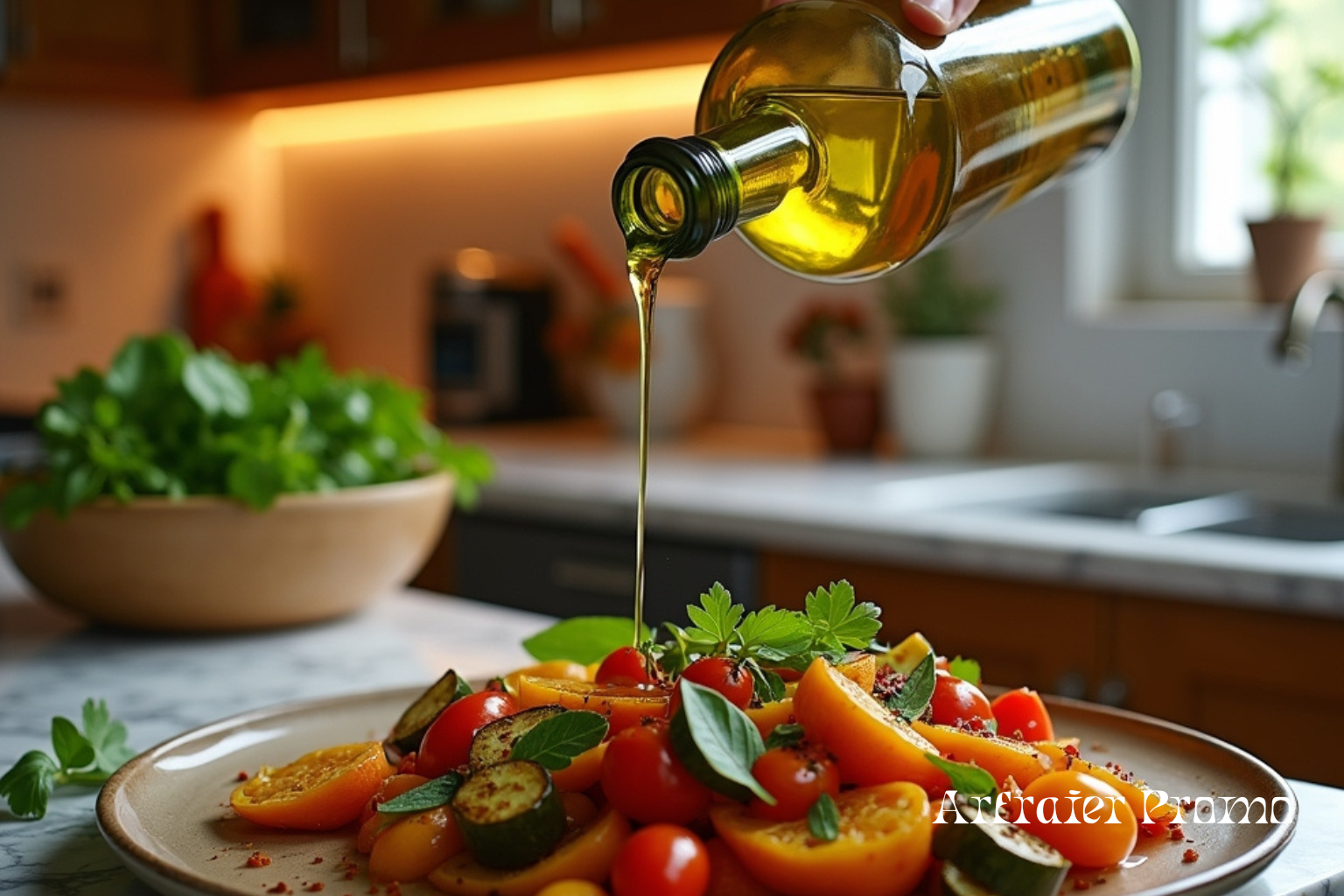
Extra virgin olive oil is best for low to medium heat cooking and for finishing dishes where flavor matters.
For very high-heat frying, some people prefer other oils, but olive oil remains a popular everyday option in home kitchens around the world.
Conclusion
Olive oil is not a seed oil. It is a fruit oil made by pressing olives, not extracting oil from seeds.
Understanding this difference helps clear up confusion, avoid misinformation, and make better choices when buying and using cooking oils.
When you know where your oil comes from and how it is made, choosing the right one becomes much simpler.
Frequently Asked Questions (FAQs)
Q1. Is olive oil considered a vegetable oil?
Yes, olive oil falls under the broad category of vegetable oils, but it is not a seed oil.
Q2. Is olive oil inflammatory like seed oils?
Olive oil is generally viewed differently because of its fat profile and lower processing, especially when compared to highly refined seed oils.
Q3. Can olive oil be mixed with seed oils?
Some low-quality products may be mixed, which is why reading labels and choosing trusted brands is important.
Q4. Is extra virgin olive oil better than regular olive oil?
Extra virgin olive oil is less processed and closer to the natural oil from olives.
Q5. Can I use olive oil every day?
Yes, many people use olive oil daily for cooking and meal preparation.


