

Losing a molar tooth can affect more than just your smile. Molars play a major role in chewing, jaw support, and keeping your teeth properly aligned. When a back tooth is missing, many people struggle with eating, discomfort, or worry about long-term dental problems. A molar teeth implant is one of the most reliable solutions for replacing a missing back tooth.
This guide explains everything you need to know about molar teeth implants in simple words, including benefits, risks, timeline, and cost, so you can make an informed decision.
What Is a Molar Teeth Implant?
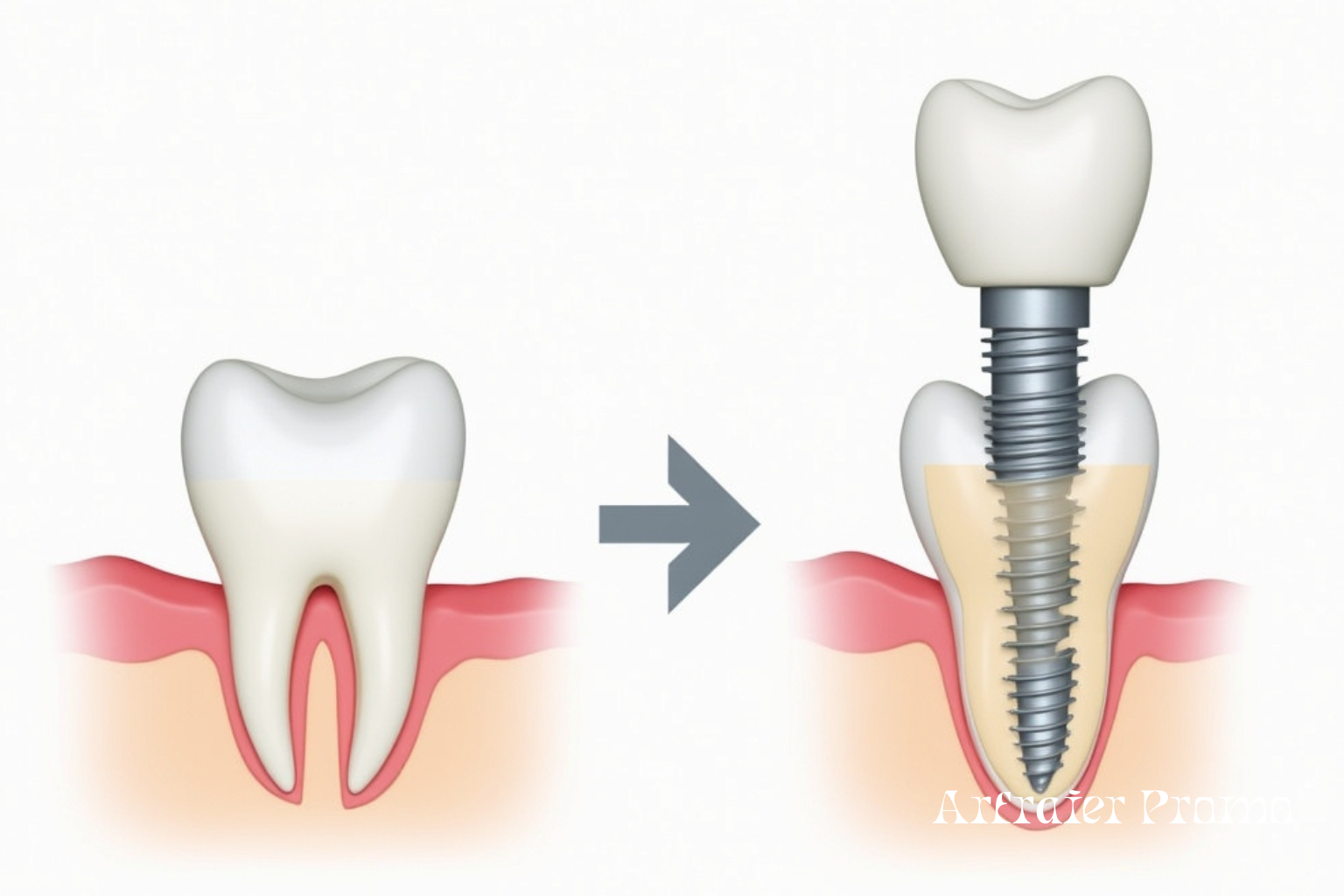
A molar teeth implant is a permanent dental solution used to replace a missing back tooth. It consists of three main parts:
-
Dental implant: A small titanium post placed into the jawbone that acts like a natural tooth root
-
Abutment: A connector placed on top of the implant
-
Crown: The visible tooth that looks and functions like a real molar
Because molars handle heavy chewing pressure, implants used for back teeth are designed to be strong and stable.
Why Replacing a Missing Molar Is Important
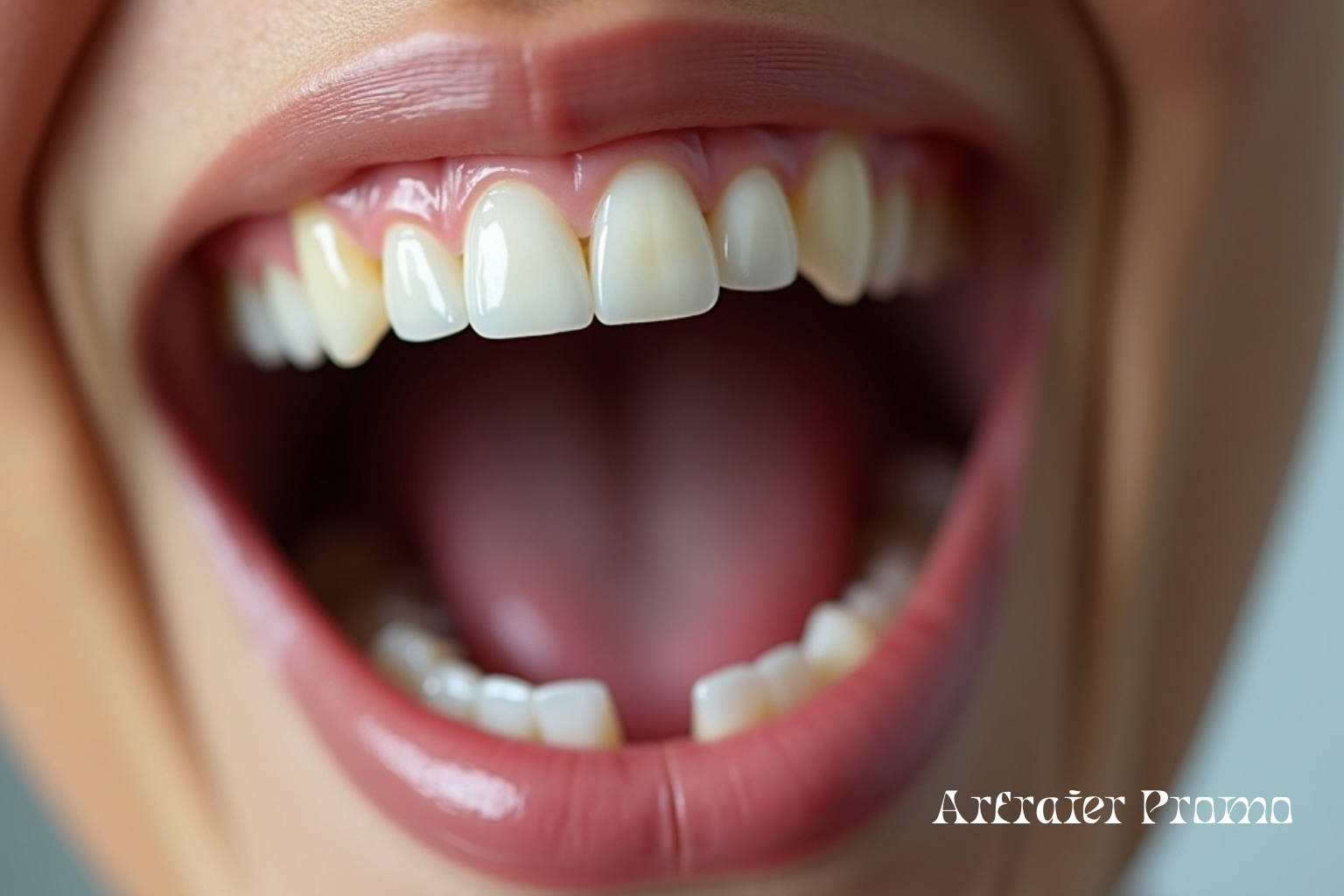
Many people delay replacing a missing molar because it’s not visible when smiling. However, missing back teeth can cause serious oral problems over time, such as:
-
Difficulty chewing food properly
-
Shifting of nearby teeth
-
Jawbone loss in the empty space
-
Bite imbalance and jaw pain
-
Increased stress on remaining teeth
A molar teeth implant helps restore normal chewing and prevents these long-term issues.
Who Is a Good Candidate for a Molar Teeth Implant?
Most adults with missing molars can be candidates for dental implants. You may be suitable if you:
-
Have healthy gums
-
Have enough jawbone or are eligible for bone grafting
-
Maintain good oral hygiene
-
Do not have uncontrolled medical conditions
-
Are a non-smoker or willing to reduce smoking
A dentist will evaluate your mouth with X-rays or scans to confirm if an implant is right for you.
Molar Teeth Implant Procedure Step by Step
The implant process happens in stages and focuses on long-term success rather than speed.
Initial Consultation
Your dentist examines your mouth, reviews X-rays, and creates a treatment plan.
Implant Placement
The implant post is placed into the jawbone during a minor surgical procedure under local anesthesia.
Healing Period
Over the next few months, the implant bonds with the bone. This step is crucial for strength and stability.
Crown Placement
Once healed, a custom crown is attached, restoring the look and function of the molar.
Benefits of a Molar Teeth Implant
Molar teeth implants offer several advantages compared to other tooth replacement options.
-
Strong chewing ability similar to natural teeth
-
Prevents jawbone loss
-
Long-lasting and durable
-
Looks and feels natural
-
Does not damage nearby teeth
-
Improves overall oral health
Many patients find implants more comfortable and reliable than dentures or bridges.
Risks and Possible Complications
Like any dental procedure, molar teeth implants have some risks, although complications are uncommon when done by experienced professionals.
Possible risks include:
-
Infection at the implant site
-
Implant not bonding properly with bone
-
Nerve irritation (rare)
-
Sinus issues for upper molar implants
Good oral hygiene and regular dental checkups significantly reduce these risks.
Molar Teeth Implant Timeline: How Long Does It Take?
The process of getting a molar teeth implant takes time, but the results are long-term.
-
Consultation and planning: 1–2 weeks
-
Implant placement surgery: 1 day
-
Healing and bone fusion: 3–6 months
-
Final crown placement: 1–2 weeks
In total, the complete timeline can range from 3 to 9 months, depending on individual healing and whether bone grafting is needed.
Molar Teeth Implant Cost: What to Expect
The cost of a molar teeth implant varies depending on several factors, including:
-
Location of the dental clinic
-
Dentist’s experience
-
Need for bone grafting
-
Materials used for implant and crown
-
Number of implants required
In many regions, the cost of a single molar teeth implant can range from moderate to high, but it is often considered a long-term investment due to its durability.
Dental insurance may cover part of the procedure, especially the crown, but coverage varies by plan.
Molar Teeth Implant vs Other Back Tooth Replacement Options
Dental Bridge
A bridge relies on nearby teeth for support, which may require trimming healthy teeth.
Partial Denture
Dentures are removable and less stable, especially for chewing hard foods.
Dental Implant
An implant stands alone, protects bone health, and offers the most natural function.
For many patients, implants are the preferred choice for replacing molars.
Recovery and Aftercare Tips
Recovery after implant placement is usually manageable with proper care.
-
Eat soft foods during initial healing
-
Avoid chewing on the implant side
-
Keep the area clean
-
Take prescribed medications as directed
-
Attend follow-up appointments
Most discomfort improves within a few days.
How Long Do Molar Teeth Implants Last?
With good oral hygiene and regular dental visits, molar teeth implants can last 20 years or longer. The crown may need replacement after many years, but the implant itself often lasts a lifetime.
Cost, Timeline, and Benefits
Factor |
Details |
|---|---|
| Average Cost | Depends on location, materials, and additional procedures |
| Total Timeline | 3 to 9 months from consultation to crown |
| Main Benefits | Strong chewing, bone preservation, natural appearance |
| Longevity | Often 20+ years with proper care |
| Comfort Level | Feels similar to a natural tooth |
Conclusion
A molar teeth implant is a reliable, long-term solution for replacing missing back teeth. It restores chewing strength, protects jawbone health, and feels close to a natural tooth. While the process takes time and investment, the benefits often outweigh the drawbacks for many patients.
If you’re missing a molar and looking for a stable, lasting replacement, consulting a qualified dentist can help determine if a molar teeth implant is the right choice for you.
Frequently Asked Questions (FAQs)
Q1. Is a molar teeth implant painful?
The procedure is done under anesthesia, and most patients report mild discomfort during recovery.
Q2. Can I chew normally after healing?
Yes, implants restore full chewing function once fully healed.
Q3. What if I don’t have enough bone?
Bone grafting may be recommended to support the implant.
Q4. Are molar implants safe?
Yes, they have a high success rate when placed by skilled professionals.