


Finishing braces is a big moment. Your teeth finally look straight, your smile feels confident, and you don’t want all that effort to go to waste. This is where a permanent retainer comes in. Many people are advised to get one after braces, but they often don’t fully understand how it works, how to care for it, or whether it’s really worth it.
This guide explains permanent retainers in simple words. You’ll learn what they are, who needs them, how to clean them properly, possible problems, costs, and how they compare to removable retainers. The goal is to help you protect your smile long term without confusion.
What Is a Permanent Retainer?
A permanent retainer is a thin metal wire that is glued to the back of your teeth, usually the lower front teeth and sometimes the upper ones. Because it sits behind the teeth, it is not visible when you smile or talk.
Unlike removable retainers, you don’t take a permanent retainer in and out. It stays in place all the time and quietly does its job of holding your teeth in their corrected position.
Dentists often recommend permanent retainers because teeth naturally want to move back to their original position, even years after braces are removed.
Why Teeth Shift After Braces
Teeth are not fixed in stone. They sit in bone and are surrounded by ligaments that allow small movements over time. After braces, these tissues need time to fully stabilize. Without retention, teeth can slowly drift, especially the front ones.
Common reasons teeth shift include aging, chewing forces, grinding, and natural jaw changes. A permanent retainer acts like a safety net, preventing these small movements from turning into noticeable crowding.
Who Usually Needs a Permanent Retainer
Permanent retainers are often recommended for people who had crowded teeth before braces, noticeable rotations, gaps, or significant orthodontic corrections. They are also useful for people who may forget to wear removable retainers regularly.
They are especially common for lower front teeth, as these teeth have a higher risk of shifting over time.
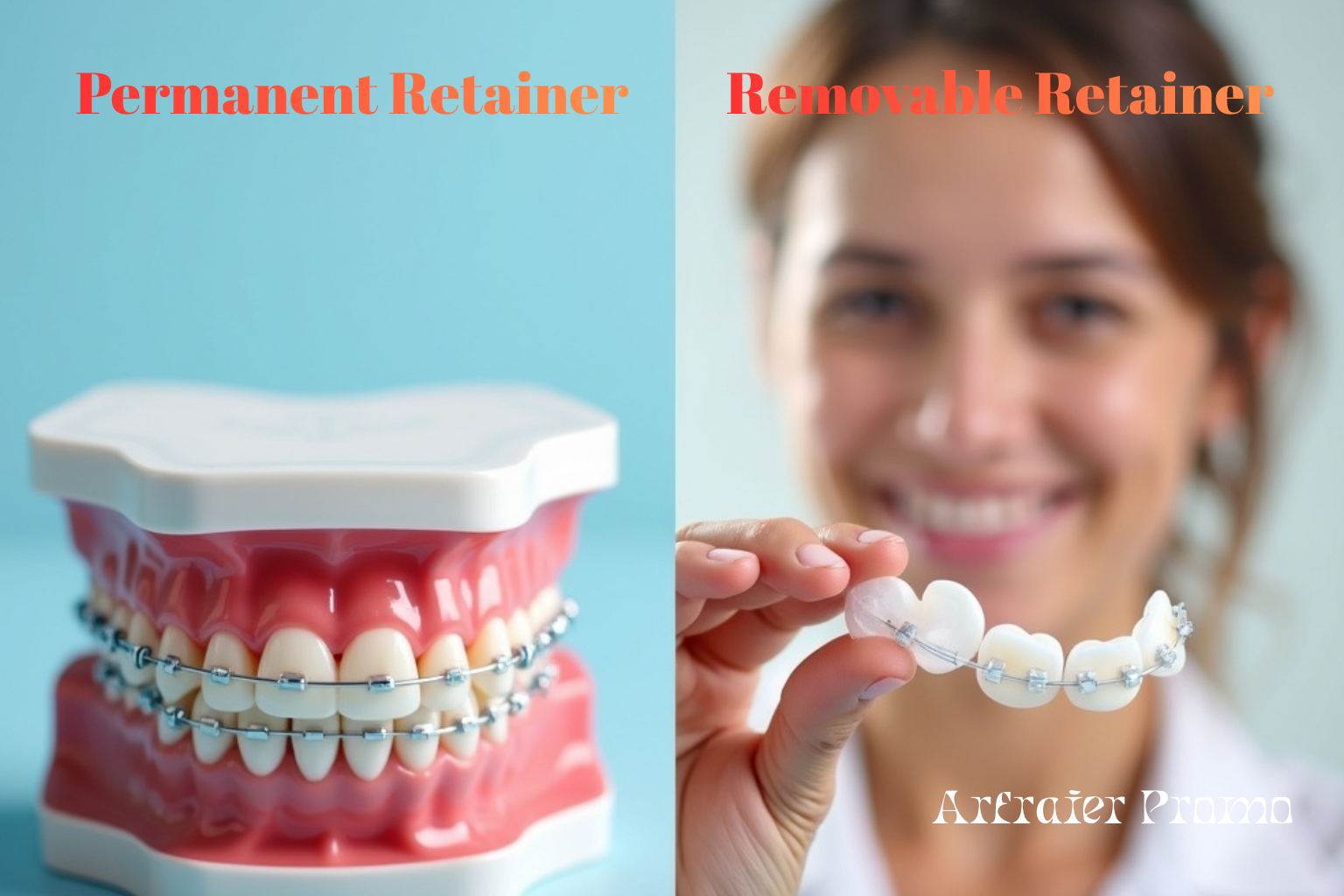
Permanent Retainer vs Removable Retainer
Both types of retainers aim to keep your teeth straight, but they work differently and suit different lifestyles.
Feature |
Permanent Retainer |
Removable Retainer |
|---|---|---|
| Visibility | Hidden behind teeth | Visible when worn |
| Daily effort | No remembering needed | Must be worn consistently |
| Risk of losing | None | Can be lost or forgotten |
| Cleaning difficulty | More challenging | Easier to clean |
| Teeth shifting risk | Very low | Higher if not worn |
| Best for | Long-term stability | Disciplined users |
Many dentists recommend a permanent retainer alone or a combination of permanent and removable retainers for maximum protection.
How Long Does a Permanent Retainer Last?
A permanent retainer can last anywhere from 5 to 20 years or even longer. Some people keep the same retainer for decades without issues, while others may need repairs sooner.
Its lifespan depends on oral hygiene, biting habits, teeth grinding, and how well the bonding material holds up. Regular dental checkups help catch small issues before they turn into bigger problems.
Daily Life With a Permanent Retainer
Most people adjust to a permanent retainer within a few days. At first, your tongue may feel the wire, but this sensation usually fades quickly. Eating is generally normal, but very hard or sticky foods can sometimes loosen the wire. Speech changes are rare and usually temporary.
The biggest lifestyle adjustment is cleaning. Since the wire sits behind your teeth, plaque can build up more easily if oral hygiene is not consistent.
How to Clean a Permanent Retainer Properly
Cleaning is the most important part of living with a permanent retainer. Poor cleaning can lead to plaque buildup, gum inflammation, cavities, and bad breath. You should brush twice a day using a soft toothbrush or electric toothbrush. Pay extra attention to the area around the wire.
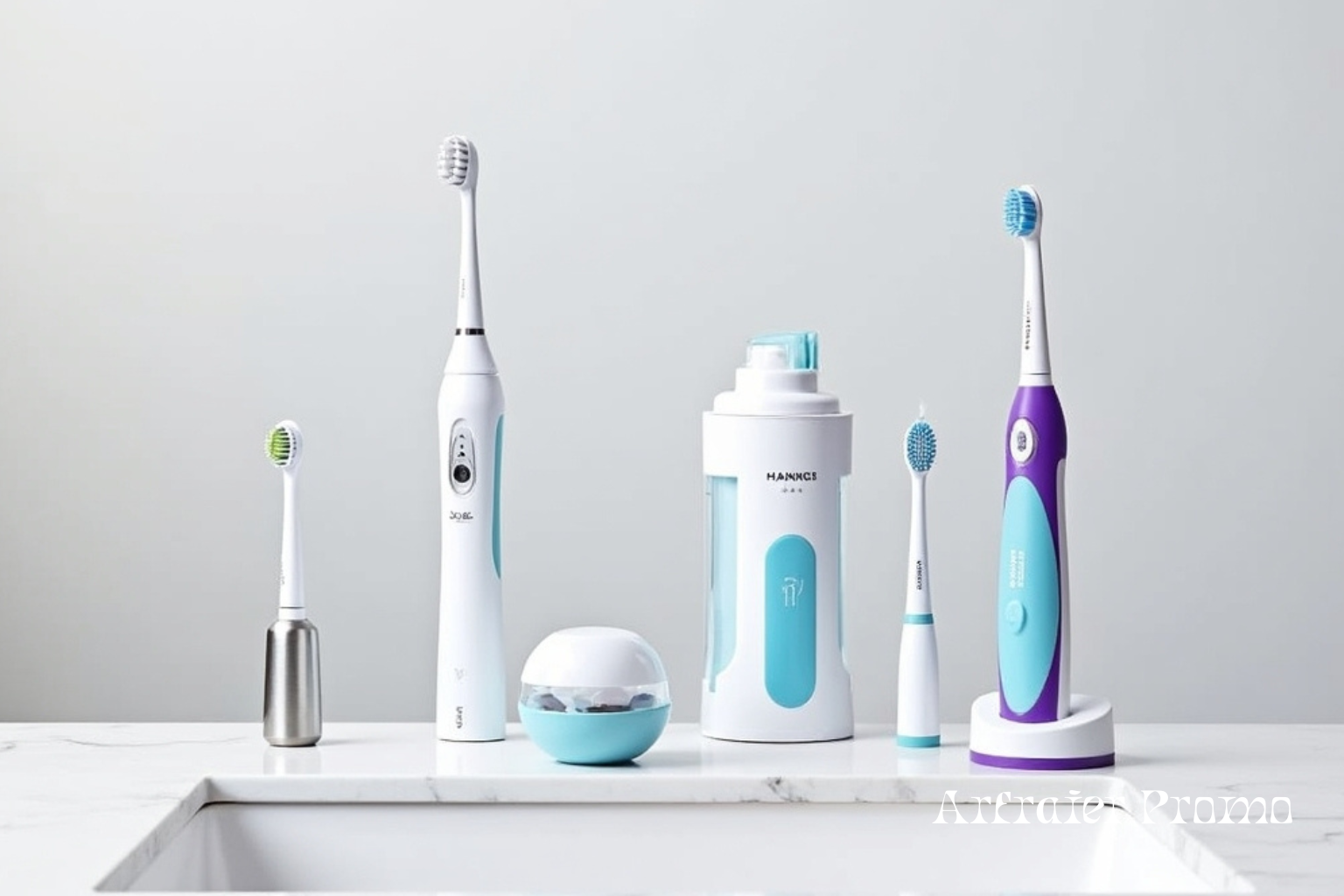
Flossing requires a bit more effort because regular floss cannot slide between the teeth normally. Special tools make this easier.
Cleaning Tool |
How It Helps |
Pros |
Cons |
|---|---|---|---|
| Floss threader | Slides floss under the wire | Affordable and effective | Takes practice |
| Water flosser | Flushes food and plaque | Easy and gentle | Higher cost |
| Interdental brush | Cleans tight spaces | Good plaque removal | Not for all gaps |
| Electric toothbrush | Improves brushing quality | Reduces plaque | Doesn’t replace floss |
| Mouthwash | Kills bacteria | Quick and refreshing | Not enough alone |
Using at least one flossing aid daily can greatly reduce dental problems linked to permanent retainers.
Common Problems With Permanent Retainers
Although permanent retainers are generally safe, problems can happen. The most common issue is the wire becoming loose or partially detached. This can allow teeth to shift slightly if not fixed quickly.
Plaque and tartar buildup is another concern, especially if flossing is skipped. Gum irritation can occur if cleaning is poor or if the wire bends. If you notice discomfort, bleeding gums, or movement in the wire, it’s best to see your dentist as soon as possible.
Can Permanent Retainers Cause Cavities or Gum Disease?
Permanent retainers themselves do not cause cavities or gum disease. The risk comes from plaque buildup around the wire. When plaque is not removed properly, bacteria can irritate the gums and weaken tooth enamel. With good cleaning habits and regular dental visits, most people have no serious issues. Dentists closely monitor gum health in patients with permanent retainers to prevent long-term problems.
When Does a Permanent Retainer Need to Be Removed?
A permanent retainer may need removal if it repeatedly breaks, causes ongoing gum problems, or interferes with dental treatments like deep cleaning or orthodontic adjustments.
Removal does not mean your teeth will instantly shift. In many cases, dentists recommend switching to a removable retainer afterward to maintain results. Never attempt to remove a permanent retainer yourself, as this can damage your teeth.
Cost of a Permanent Retainer
The cost of a permanent retainer varies depending on location, dentist experience, and whether it’s placed on upper or lower teeth.
Cost Factor |
Estimated Range |
What It Includes |
|---|---|---|
| Initial placement | $150 – $500 | Wire and bonding |
| Repair | $50 – $200 | Re-bonding or adjustments |
| Replacement | $250 – $600 | New wire and bonding |
| Insurance | Partial or none | Depends on plan |
Some dental insurance plans cover retainers after braces, but many consider them optional. It’s best to confirm coverage in advance.
Is a Permanent Retainer Worth It?
For many people, a permanent retainer is worth it. It provides constant protection without relying on daily habits or memory. This is especially valuable for people who spent years in braces and want to protect their results.
However, it does require commitment to proper cleaning. If you are comfortable maintaining good oral hygiene, a permanent retainer can be a reliable long-term solution.
Conclusion
A permanent retainer is a quiet but powerful tool that protects your smile long after braces are gone. While it requires careful cleaning, it offers peace of mind and long-term stability for many people. By understanding how it works, how to care for it, and when to seek help, you can keep your teeth straight and healthy for years to come.
Frequently Asked Questions (FAQs)
Q1. Can you floss normally with a permanent retainer?
No, but floss threaders, water flossers, or interdental brushes make it manageable.
Q2. Can a permanent retainer break?
Yes, but repairs are usually simple if addressed quickly.
Q3. Do permanent retainers work on upper teeth?
Yes, though they are more common on lower teeth.
Q4. What foods should be avoided?
Very hard, sticky, or chewy foods should be eaten with caution.
Q5. Will teeth move if the retainer breaks?
They can shift slightly if the issue is not fixed promptly.