


In today’s digital world, not every social media user is loud, active, or expressive. A massive part of the online audience quietly scrolls through posts without interacting. These are known as silent scrollers. They consume everything—videos, memes, tutorials, stories—but say very little in return.
After years of observing social media patterns, analyzing audience behavior, and studying engagement metrics, one thing has become clear: silent scrollers are not passive users. They are intentional, selective, and extremely influential in ways most people overlook. This article takes a deep, human-centered look at who they are, why they behave this way, and what their traits reveal about modern digital habits.
Who Exactly Is a Silent Scroller?
A silent scroller is someone who logs in, consumes content, and keeps scrolling—without liking, commenting, sharing, or reacting. They are not inactive; in fact, they spend a lot of time on social media. But their engagement remains invisible.
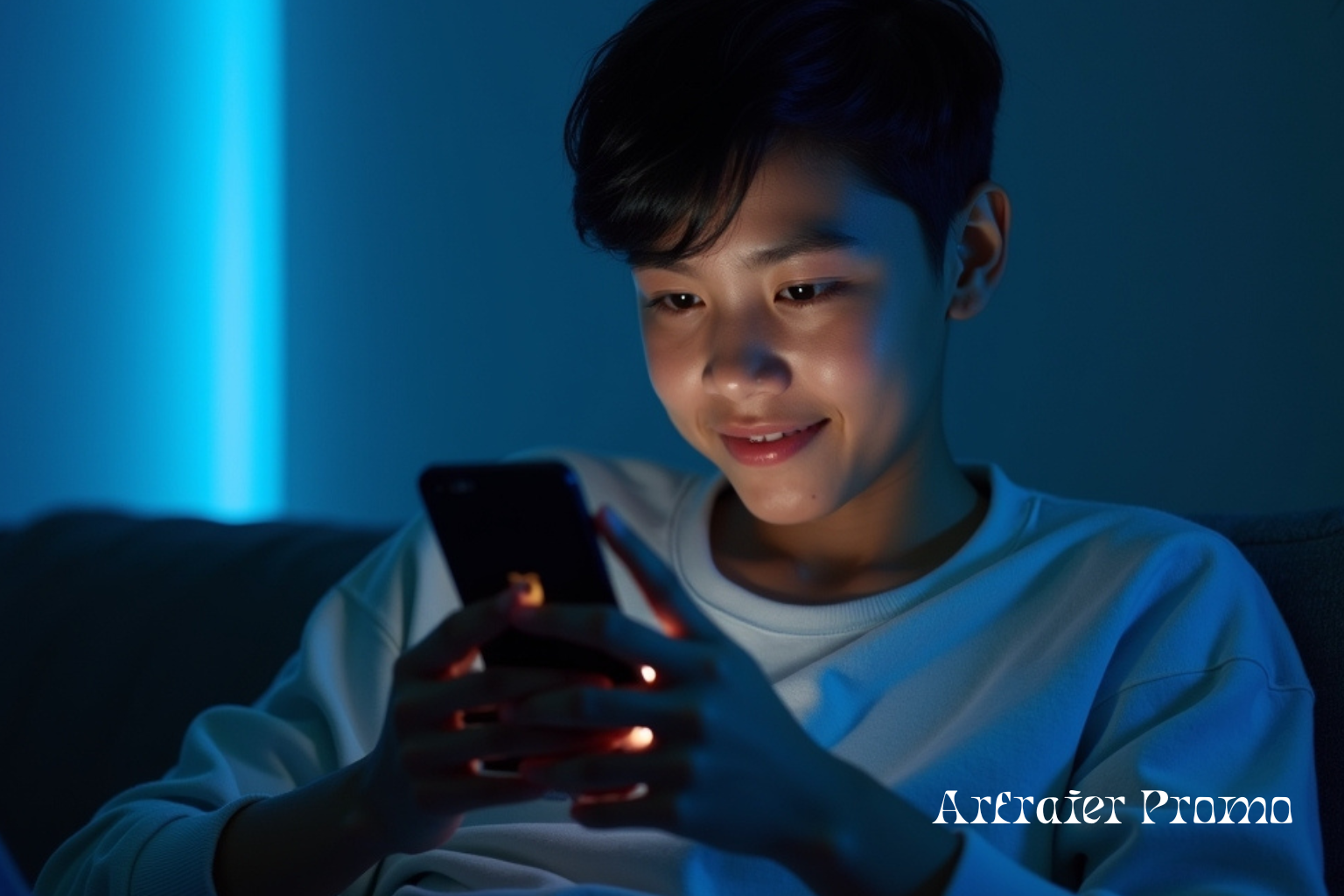
They are part of a quiet majority that shapes impressions, increases reach, and influences content popularity, yet rarely shows digital participation. From my experience analyzing different user groups, this audience has unique habits that reflect a deeper shift in how people prefer to interact online.
Why Silent Scrollers Have Become More Common
Silent scrolling has grown rapidly for several reasons:
-
Too much content everywhere creates digital fatigue
-
Fear of judgment discourages interactions
-
People prefer observing rather than participating
-
Social media feels safer when you stay silent
-
Fast-paced feeds make quick scrolling easier than engaging
Through years of studying these patterns, I’ve noticed that users increasingly choose low-effort digital behaviors. Silent scrolling offers the comfort of being online without the pressure of constant interaction.
Key Traits of Social Media Silent Scrollers
They Prefer Observing Over Interacting
Silent scrollers enjoy watching, learning, and consuming—not participating. They treat social media like a personal library or entertainment stream rather than a place for conversations.
They Engage Mentally, Not Publicly
They laugh at jokes, relate to emotional posts, learn from tutorials, and even follow creators closely, but they rarely tap like or leave a comment. Their engagement is internal, not visible.
They Value Privacy and Anonymity
This is one of the strongest traits. Silent scrollers avoid leaving a digital footprint. They prefer not being judged, questioned, or noticed. Staying invisible gives them control.
They Are Highly Selective About What They Engage With
They only interact when something truly matters. A silent scroller may scroll for months without liking a single post, then suddenly share one piece of content that deeply resonates.
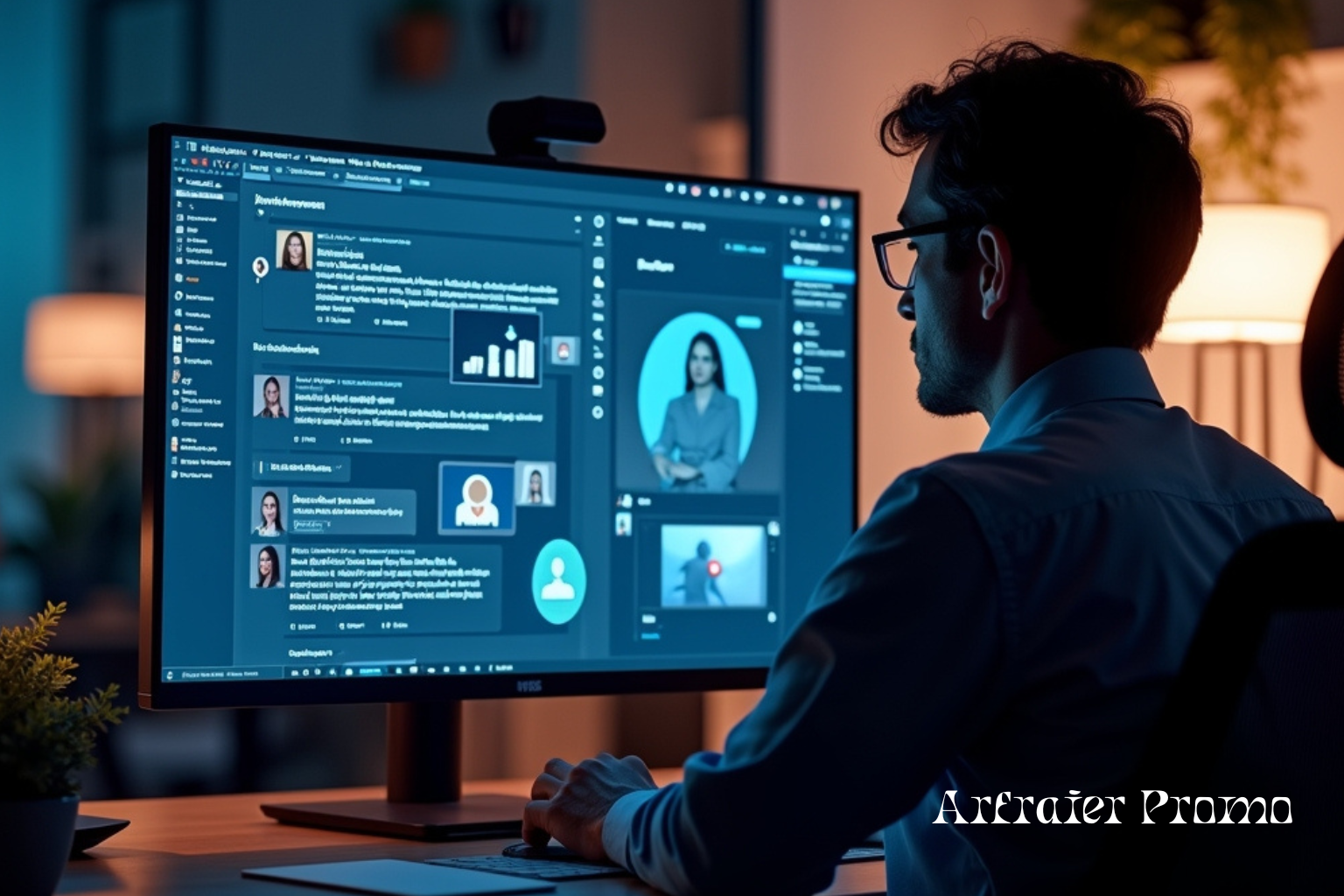
They Experience Content Burnout More Quickly
With endless posts, reels, and notifications, engaging with everything becomes tiring. Scrolling feels easier than participating.
They Use Social Media as a Learning Tool
Silent scrollers often treat platforms like YouTube, Instagram, Reddit, or Pinterest as a place to research, learn, or gather ideas quietly.
They Avoid Online Conflicts and Drama
They stay far away from heated discussions. They don’t want arguments, debates, or attention. This behavior reflects emotional maturity and digital self-protection.
They Often Support Creators Silently
Creators may not see likes from them, but silent scrollers contribute through watch time, saves, reads, and return visits. Many even become buyers or loyal fans—without ever commenting.
Why These Traits Matter for Marketers and Creators
Silent scrollers form a huge, invisible chunk of every audience. Ignoring them can lead to misunderstanding your true reach.
Here’s why they matter:
-
They increase impressions and view time
-
They often make purchases without interacting
-
They share content privately with friends
-
Their silent engagement impacts which content algorithms boost
-
They are long-term consumers, not short-term reactors
From my analytics experience, creators often underestimate their audience simply because silent scrollers don’t show direct signals. But in reality, this group can drive more conversions than active commenters.
How Silent Scroller Behavior Impacts Social Media Algorithms
Most people think algorithms only reward likes and comments. But that’s outdated. Modern platforms track:
-
Watch duration
-
Scroll speed
-
Repeated views
-
Saves
-
Time spent on a post
-
Clicks on profiles or descriptions
Silent scrollers contribute heavily to these metrics. Their behavior often pushes content to go viral—even when engagement looks low.
Signs You Might Be a Silent Scroller Yourself
You may be one if:
-
You scroll daily but rarely interact
-
You save posts more than liking them
-
You read comments but never comment
-
You prefer staying anonymous online
-
You follow creators quietly without interacting
-
You avoid online debates
Many people don’t realize they’re silent scrollers until they observe their own habits.
Are Silent Scrollers Introverts? (Common Misconception)
Not necessarily. Silent scrolling doesn’t always reflect personality type. Even extroverts may avoid engagement because:
-
They’re busy
-
They want to avoid debates
-
They use social media for entertainment, not expression
-
They prefer real-life communication
Silent scrolling is more about digital habits than personality.
Benefits of Being a Silent Scroller
Silent scrollers enjoy several advantages:
-
Less pressure to respond
-
Freedom from online negativity
-
Peaceful, stress-free browsing
-
More mindful consumption
-
Reduced emotional fatigue
They enjoy social media without the noise that comes with active participation.
Downsides of Being a Silent Scroller
However, there are drawbacks:
-
Creators cannot understand your actual preferences
-
Algorithms might show less relevant content
-
You miss opportunities to join helpful communities
-
Brands may overlook your needs due to lack of engagement signals
Silent scrolling protects privacy, but it also creates an invisible wall between the user and the digital community.
How Brands Can Better Reach Silent Scrollers
To effectively reach silent scrollers, brands should:
-
Focus on thumb-stopping visuals and short content
-
Deliver high value in the first few seconds
-
Create content that doesn’t require engagement
-
Share educational, inspirational, or problem-solving posts
-
Use storytelling instead of pushing reactions
-
Focus on authenticity rather than flashy engagement tactics
Silent scrollers respond to content that respects their quiet approach to social platforms.
Conclusion
Silent scrollers represent a significant portion of social media users. They are observant, thoughtful, selective, and deeply engaged—just not visibly. Their traits reveal a shift toward quieter online behavior driven by privacy, digital fatigue, and intentional consumption.
Understanding silent scrollers helps creators, marketers, and brands recognize hidden audience power. While they may not leave comments or likes, they influence reach, impressions, and trends more than most people realize.
Frequently Asked Questions (FAQs)
Q1. What is the 5-5-5 rule for social media?
This rule encourages engagement by interacting with:
-
5 new accounts
-
5 existing followers
-
5 pieces of content daily
It helps accounts grow naturally by building genuine connections.
Q2. Why would someone go silent on social media?
Reasons include:
-
Digital fatigue
-
Privacy concerns
-
Fear of judgment
-
Lack of energy to interact
-
Desire to observe rather than participate
-
Overwhelming content load
Silence doesn’t mean disinterest—it often reflects personal comfort.
Q3. What is the 70/20/10 rule for social media?
It’s a content strategy suggesting:
-
70% of content should be valuable and educational
-
20% should be shared or curated content
-
10% should be promotional
It helps maintain balance and build trust with your audience.
Q4. What are the 7 C’s of social media?
The 7 C’s include:
-
Content
-
Context
-
Community
-
Connection
-
Conversation
-
Consistency
-
Conversion
These principles guide effective social media communication.
Q5. What is a silent scroller on social media?
A silent scroller is a user who consumes content but rarely likes, comments, or interacts publicly.
Q6. Do silent scrollers affect algorithm reach?
Yes. Their watch time, scroll habits, and repeated views contribute to reach and impressions, often boosting content silently.
Q7. Is being a silent scroller bad?
Not at all. It’s a personal preference. However, it may limit your personalized content experience.